How Women are Shaping the Future of Mining Healthcare Technology
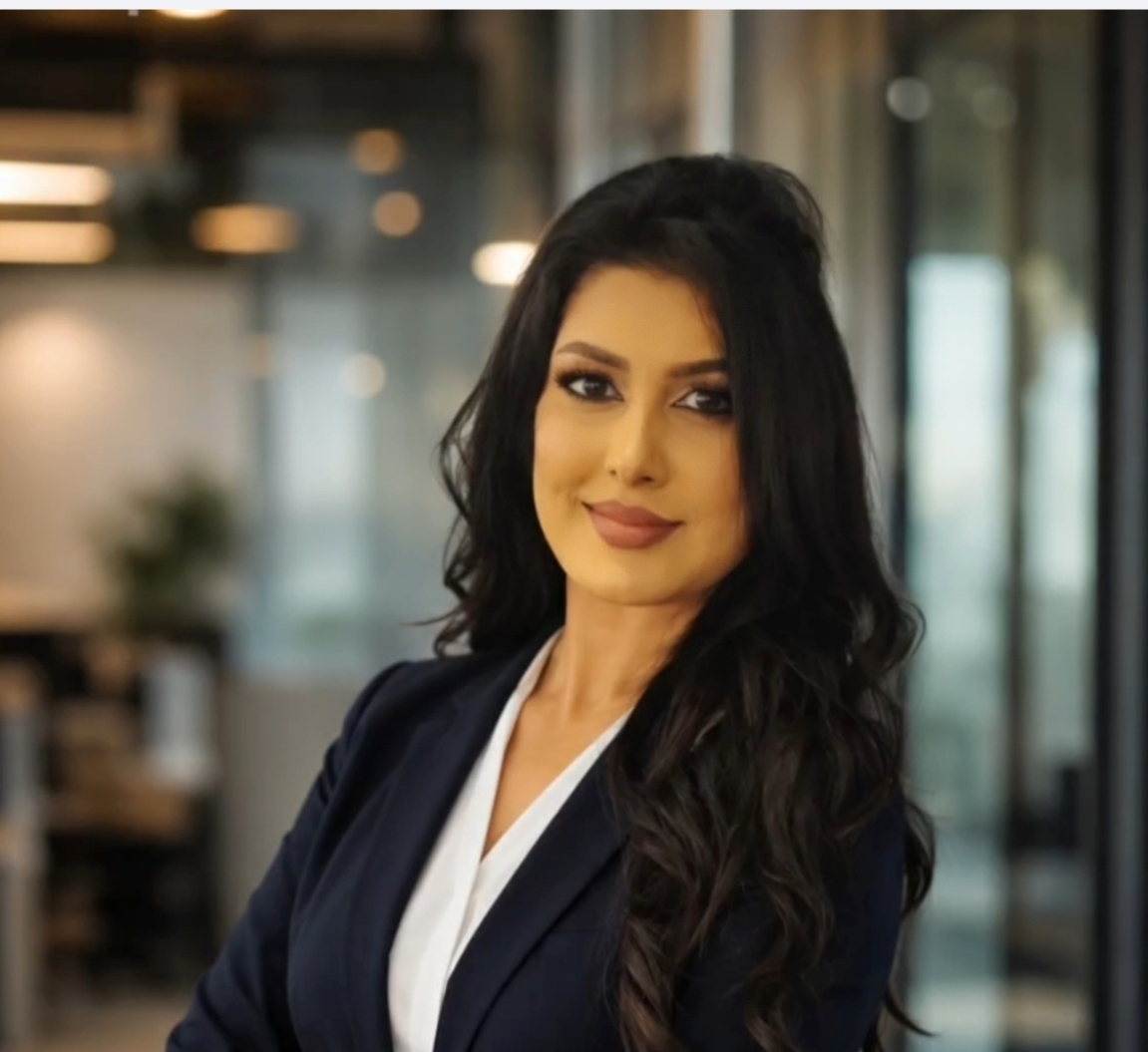
Marilyn Perumal – Platinum Health – pic001
Diversity is crucial to developing technologies that work for similarly diverse communities, and women’s innate empathy positions them to deliver at the nexus where technology meets healthcare.
Innovation is changing how medical schemes support mineworkers and their families, and there is growing recognition of the importance of diversity in designing technology that serves diverse communities.

Diverse leadership creates better technology, and women are vital to the process that builds smarter, more efficient healthcare systems that improve access to care, strengthen preventative healthcare and deliver better outcomes for members.
Essentially, technology should always serve people first, and it is with this understanding that two of Platinum Health Medical Scheme’s senior women leaders explain how technology is ultimately about improving people’s lives, while noting the importance of encouraging more young women to consider careers in technology, healthcare and mining.
Making an impact
Palesa Mokoka, IT Project Manager at Platinum Health, explains how she began her career in IT project management at BCX, consulting across a range of industries, coordinating moving parts, and turning ideas into tangible impactful systems.
“This experience gave me an understanding that went beyond the mere importance of information, into how it’s structured, packaged, and delivered – and the real impact that it has on how decisions get made in a business,” she says.
“I realised early on that I thrived on those projects that touched people’s everyday lives. That pull toward impact-driven work increased, following a role at SafetySA, where the health and safety of South Africans sat at the core of the business, encompassing everything from food safety testing to occupational health and safety certifications for people in the mining industry.”
This, she adds, made the move into healthcare, at Platinum Health, feel like the clearest next step in terms of work that actually mattered to people’s daily lives.
Marilyn Perumal, Service Delivery Manager: Applications, says her more than 20 years in IT, together with her studies and experience across various areas of the field, have deepened her passion for the industry and its ability to solve complex problems.
“Losing my mother to leukaemia at a young age profoundly shaped my perspective on human-centred systems. Healthcare is never just about infrastructure or logistics – it is directly tied to human lives and dignity. That experience instilled in me a calling to lead in a sector where technology directly impacts human wellbeing,” she states.
“Today, as a leader, I view it as my responsibility to advocate for others, clear paths for emerging talent, and ensure diverse voices are not just present, but heard.”
From reactive to proactive
Asked about the changes and improvements made to healthcare for mining employees and their families in recent times, Perumal believes that we are shifting from reactive care to proactive, preventative health management.
“Through integrated digital health records, remote monitoring, and predictive analytics, we can identify risks long before they escalate into crises. For mining families, who often live and work in remote regions far from tertiary medical centres, this transition is transformative. It streamlines administrative friction, accelerates diagnostics, and ensures seamless continuity of care for the entire family unit,” Perumal says.
Mokoka adds that modernising and automating the Scheme’s member-facing systems and its internal systems isn’t just a technical refresh. “It’s about making healthcare interactions faster, clearer, and more accessible for members who may not have the same comfort with technology as people used to navigating everything from a smartphone.”
“Behind the scenes, that means real care and attention go into making sure the system works as reliably for someone querying a claim from a mine site, as it does in a boardroom demo,” she continues.
Looking ahead, Perumal indicates that there are several technology trends that she thinks will have a major impact on healthcare over the next five years. Advanced artificial intelligence (AI)-assisted diagnostics, wearable health technologies, and true system interoperability will all drive significant progress, according to her.
“However, the most impactful technology isn’t necessarily the flashiest; it is the seamless, backend integration that reduces administrative burdens, elevates care delivery, and frees clinicians to focus on meaningful human interaction,” she says.
Future trends
Mokoka suggests three trends to keep an eye on, as far as genuinely reshaping the healthcare sector goes. The first is that AI will play an increasing role in assisted diagnostics, which will help clinicians pick up issues earlier and more accurately, improving preventative care.
“Meanwhile, telehealth will keep closing the distance for members in remote areas, making quality care far less dependent on geography. Finally, predictive analytics will shift healthcare from reactive to proactive, helping medical schemes identify risk earlier and intervene before conditions become serious,” she infers. “Together, these trends point to a healthcare system that meets people where they are, rather than expecting them to come to it.”
As for what she would say to young women considering careers in technology, healthcare or mining, the answer is simple: “Do it. Do it scared, do it nervous, but do it – because that’s exactly where your biggest growth happens. And education is critical, because IT is constantly moving and changing, so you need to make sure you are prepared to be in a space of consistent learning and unlearning.”
Perumal agrees that they should not sit around waiting for a perfectly clear or conventional path before taking decisive action. “Some of the most rewarding inflection points come from following conviction over certainty. Most importantly, remember that although your career path is important, you should always seek to ground yourself in a purpose larger than career ambition alone – for me that’s my faith,” she concludes.
Anifa Mkhize
Senior Communication Manager
Share this content: