DR Congo Mining Sector Donates $1.1 Million to Ebola Response as Cases Exceed 11,000
The Democratic Republic of Congo’s mining sector has contributed US$1.1 million towards the country’s Ebola response as confirmed infections from the Bundibugyo strain surpassed 11,000, highlighting the growing role of the extractive industry in supporting emergency health efforts.
Mines Minister Louis Watum Kabamba presented the contribution on 17 November on behalf of the mining sector to the incident management system coordinating the country’s 17th Ebola outbreak.
The cheque was received by virologist Jean-Jacques Muyembe, who co-discovered the Ebola virus in 1976. Members of parliament and senators representing the former Orientale province, which covers much of the affected areas, attended the ceremony.

According to the Ministry of Mines, the contribution forms part of a national mobilisation initiated by President Félix Tshisekedi and coordinated by Prime Minister Judith Suminwa.
Watum called for solidarity and collective action to support the country’s response to the epidemic. However, the ministry did not disclose which mining companies contributed to the US$1.1 million.
The latest donation follows a separate US$1 million contribution made in September by the union of Chinese-owned mining companies operating in the country, following an appeal by Watum for mining-sector partners to support Ebola response efforts.
Although the combined contributions provide additional resources, the funding remains small relative to the scale of the emergency and the financial requirements of controlling the outbreak.
Ebola cases and deaths continue to rise
By 14 November 2026, the country had recorded 11,376 confirmed cases of the Bundibugyo strain, including 5,568 deaths, according to the European Centre for Disease Prevention and Control (ECDC).
Eight provinces have been affected: Ituri, North Kivu, South Kivu, Tshopo, Haut-Uélé, Bas-Uélé, Sud-Ubangi and Nord-Ubangi.
Ituri remains the worst-affected province, with 7,858 confirmed cases and 3,715 deaths. North Kivu follows with 2,860 cases and 1,590 deaths.
During the four days leading up to 14 November, health authorities recorded another 179 confirmed infections and 97 deaths.
World Health Organization Director-General Tedros Adhanom Ghebreyesus said between 400 and 500 new cases were still being reported every week. Approximately two-thirds of confirmed deaths were occurring outside Ebola treatment centres, indicating that many infections were being detected too late.
Children account for more than a quarter of confirmed infections and approximately one-third of deaths.
The Bundibugyo strain is particularly challenging because there is currently no licensed vaccine or treatment specifically available for it.
Funding shortages and insecurity complicate response
The Ebola response is facing significant financial constraints as international funding falls short of requirements.
In late August, United Nations Secretary-General António Guterres appealed for an additional US$1.1 billion, warning that the response plan had received less than half of the funding required.
Médecins Sans Frontières (MSF) also raised concerns in November about Congolese emergency responders going unpaid, further highlighting the pressure on health operations.
Insecurity has added to the challenges, with armed groups attacking healthcare facilities and response teams.
In early November, an attack by the Allied Democratic Forces (ADF) on Cantine-Aloya, near Beni, forced Ebola patients to flee. Another attack targeting a response team was reported in Durba during the week of 17 November.
The WHO has verified 81 attacks on healthcare facilities in the country, further complicating access to affected communities and the delivery of emergency assistance.
Mining communities remain exposed to the outbreak
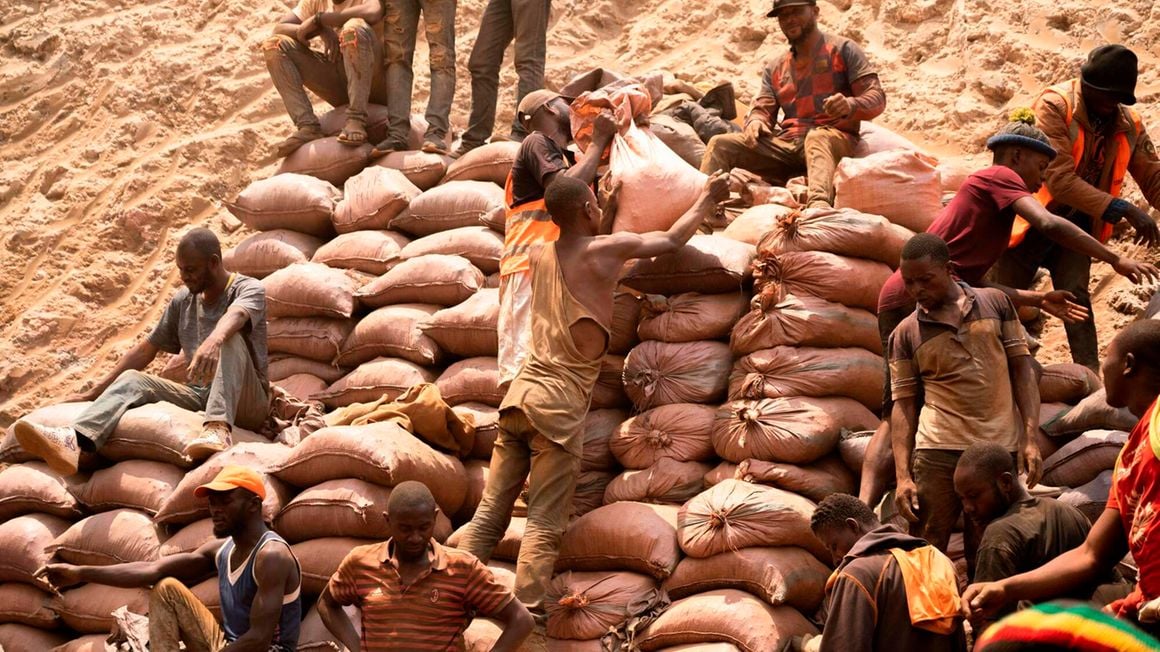
The mining industry has particular significance in the affected regions, especially Ituri and Haut-Uélé, which are important gold-producing areas.
Artisanal miners have continued working in some areas despite the risk of infection, according to reports by Africanews, raising concerns about disease exposure among mining communities and the wider movement of people.
The mining sector’s financial contribution therefore comes as the industry itself operates within regions facing significant public health and security challenges.
The Ministry of Mines has not disclosed how the latest US$1.1 million donation will be allocated.
Meanwhile, the WHO’s emergency committee continues to classify the outbreak as a public health emergency of international concern.
The outbreak has also extended beyond Congo’s borders, with Kenya reporting nine linked cases, including two deaths.
The mining industry’s contribution adds private-sector funding to the national response, while the scale of infections and continuing financial and security challenges highlight the need for sustained support to contain the epidemic.
Share this content: