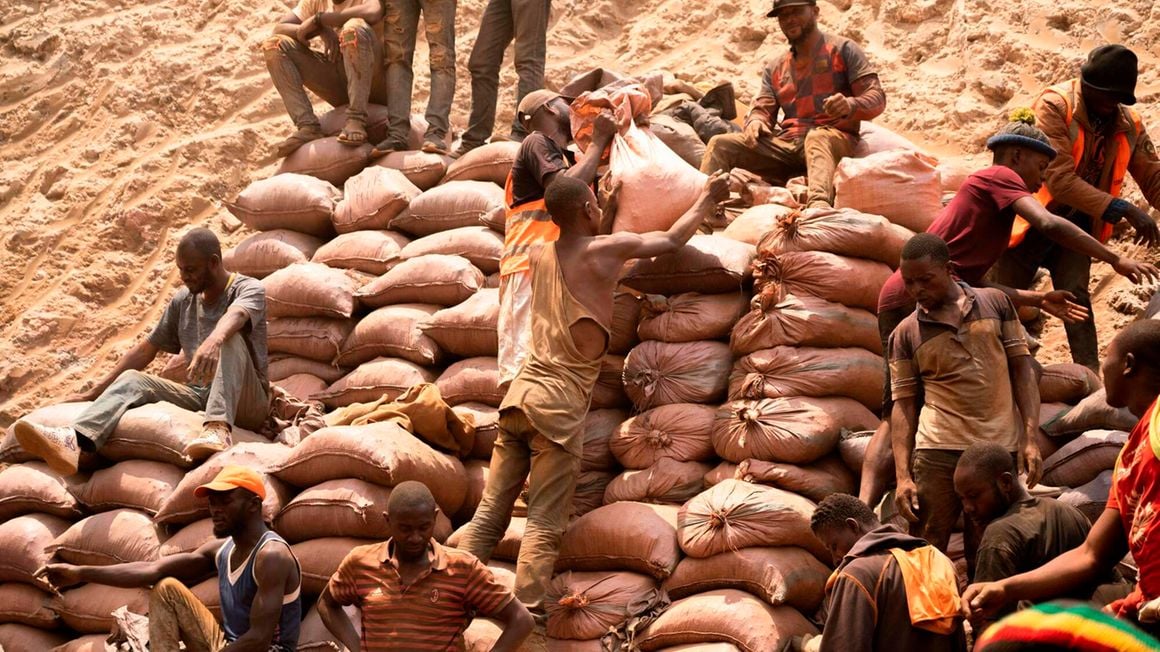
Gold Price Slide Below $3,800 Raises Revenue Concerns for African Mining Economies
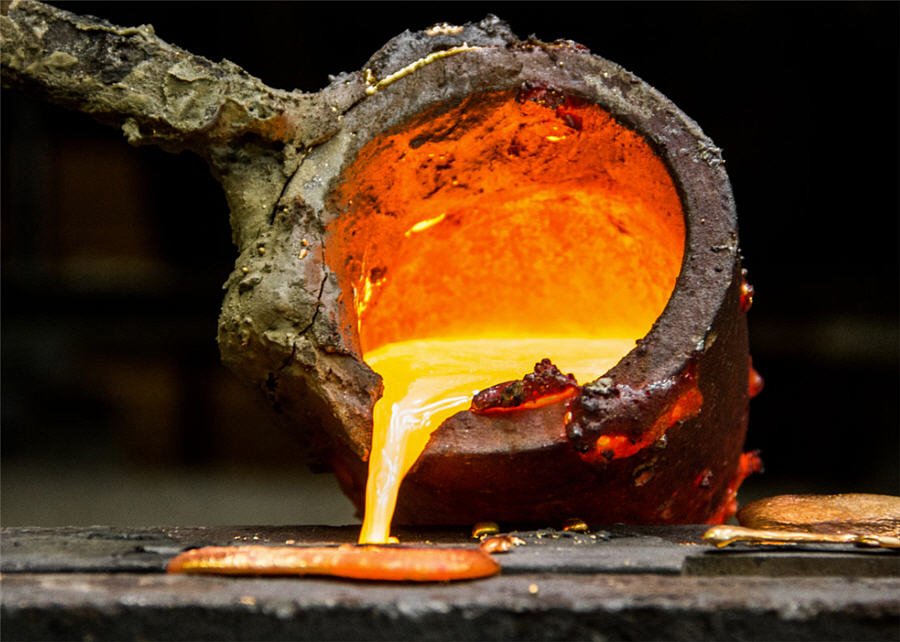
The sharp decline in international gold prices is raising concerns over export earnings, foreign-exchange reserves and government revenue across several African mining economies, including Ghana, Mali, Burkina Faso, Guinea, Tanzania, South Africa and Sudan.
Gold prices fell below US$3,800 per ounce on 18 November 2026, marking a significant retreat from the record-breaking rally earlier in the year. The decline has exposed the vulnerability of countries that depend heavily on gold exports to generate foreign currency, collect mining royalties and finance public spending.
Spot gold fell to approximately US$3,726 per ounce during trading on 18 November, before declining further on 19 November. Although prices remain elevated compared with historical levels, the speed and scale of the correction are creating uncertainty for governments and mining companies.

The impact is particularly significant for Mali and Burkina Faso, where gold is the largest export, while Ghana now earns more from gold than cocoa. In these economies, lower international prices could translate into reduced export receipts, weaker foreign-exchange inflows and additional pressure on national currencies.
For governments, the effects extend beyond mining companies. Gold revenues contribute through royalties, corporate taxes, dividends from state-owned interests and export-related charges. A sustained decline could therefore create gaps between budget projections and actual revenue, forcing governments to reconsider public spending, increase borrowing or delay infrastructure programmes.
Gold-dependent economies face growing fiscal pressure
Ghana, Africa’s largest gold producer, has a diversified mining industry supported by large-scale operations and small-scale producers. Nevertheless, gold remains central to its balance of payments and foreign-exchange earnings.
Lower prices could reduce the revenue gains that have helped support the economy, particularly amid pressure on the cedi and the cost of imported goods.
The exposure is more concentrated in Mali and Burkina Faso, where gold accounts for a larger share of export earnings. Both countries depend on mining revenue while facing substantial security, humanitarian and development expenditure.
Reduced receipts could constrain investment in roads, electricity, water infrastructure, education and healthcare, particularly if governments are unable to compensate through other revenue sources.
South Africa, Tanzania, Guinea and Sudan also face potential exposure through lower export proceeds, mining taxes and reduced profitability across their gold industries.
The broader concern is the impact on foreign-exchange availability. Lower gold earnings can reduce dollar inflows, while a stronger US dollar increases the local-currency cost of servicing foreign debt, importing fuel and purchasing mining equipment.
Local gold refining offers value addition but cannot eliminate price risks
The falling gold price comes as several African countries accelerate efforts to retain more value from mineral production through domestic processing and refining.
Burkina Faso opened its first gold refinery in September 2026, while Guinea inaugurated its Nimba Gold Refinery on 1 November, reflecting a wider push to reduce dependence on exporting unprocessed gold.
These investments are intended to expand domestic processing capacity, strengthen oversight of mineral flows and retain more economic value within producing countries.
However, local refining does not protect mining companies or governments from fluctuations in international gold prices. Processing facilities still depend on sufficient gold supplies, reliable electricity, competitive operating costs and access to certified international markets.
A prolonged price decline could also reduce margins across the production chain, particularly for facilities operating below capacity.
Mining companies face pressure on investment and operating costs
Although gold remains significantly more expensive than the approximately US$1,800–US$2,000 per ounce levels recorded three years ago, the decline could place pressure on high-cost mining operations.
Mines dealing with declining ore grades, expensive energy, ageing equipment and high security expenditure have less room to absorb lower prices.
Mining companies could respond by reducing exploration budgets, postponing capital expenditure or concentrating production on higher-grade deposits.
Such decisions could affect contractors, transport operators, equipment suppliers and communities that depend on mining for employment and economic activity.
In areas where mining companies are among the largest formal employers, reduced investment could also weaken local businesses and municipal revenue.
Stronger dollar and interest-rate expectations weigh on gold
The price correction follows an exceptional rally during the first months of 2026, when gold reached approximately US$5,600 an ounce in late January.
Central-bank purchases, geopolitical uncertainty and expectations of looser monetary policy supported demand for the precious metal as investors sought safe-haven assets.
However, the market environment subsequently changed. Persistent inflation concerns, expectations of tighter US monetary policy and a strengthening dollar reduced gold’s appeal.
Gold does not generate interest, making it less attractive when US bond yields rise and investors can earn better returns from interest-bearing assets.
Reuters reported that gold fell to a 14-month low on 18 November as stronger dollar conditions and rising Treasury yields weighed on bullion prices.
These monetary developments have particular implications for African economies, many of which borrow in dollars while collecting most domestic revenue in local currencies.
When gold export earnings decline alongside a stronger dollar, governments can face pressure from both reduced foreign-exchange income and higher debt-servicing costs.
Central banks and governments reassess mineral revenue strategies
The decline also presents different implications for African central banks holding gold as part of their foreign-exchange reserves.
Lower prices could offer opportunities to acquire additional bullion at reduced costs, although central banks must balance potential purchases against foreign-exchange liquidity requirements and the impact of declining export earnings.
For governments, the downturn reinforces the importance of managing commodity revenues across price cycles.
Stabilisation funds, conservative commodity price assumptions and transparent royalty management can help prevent temporary mining windfalls from translating into permanent spending commitments.
The latest price movement also strengthens the economic case for diversifying exports, improving mineral processing capacity and developing domestic industries around extractive resources.
At approximately US$3,700–US$3,800 an ounce, gold remains historically expensive, and many established mining operations are expected to remain profitable. However, the exceptional price environment that boosted producer revenues during early 2026 has weakened considerably.
For Africa’s gold-producing economies, the challenge will be converting periods of strong commodity earnings into resilient public finances, competitive domestic industries and infrastructure capable of supporting economic growth beyond the current gold price cycle.
Share this content: