3 Ways Africa Can Maximize Its Critical Minerals and Finance Its Future

By Ifeanyi Chukwudi
Africa holds a strategic position in the global energy transition, accounting for roughly 30% of the world’s critical minerals and producing significant shares of cobalt, manganese, lithium, copper, and rare earth elements. Yet, the continent captures only 40% of potential revenue from these resources, leaving a $1.6 trillion development financing gap across health, education, energy, and infrastructure.
To unlock the full economic potential of its mineral wealth, Africa must act urgently. Three strategies can help the continent finance its future while ensuring long-term industrial growth.

1. Increase Local Processing and Beneficiation
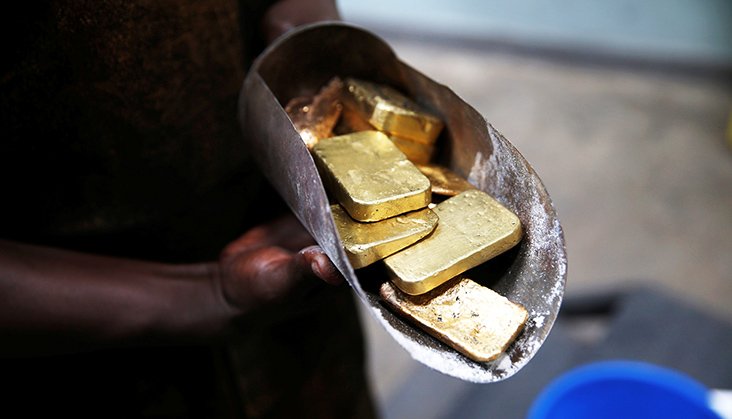
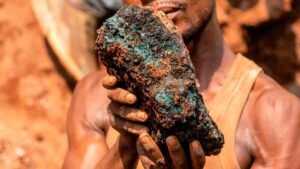
Africa’s mineral exports are overwhelmingly raw, leaving most value creation offshore. For instance, the Democratic Republic of Congo produces two-thirds of global cobalt, yet nearly all output is exported unprocessed.
Moving up the value chain—from raw ore refining to battery-grade materials—offers multiple benefits:
- Higher tax revenues
- Employment creation
- Retention of foreign exchange
- Access to global high-value markets
The International Energy Agency estimates that African processing could increase the market value of key minerals from $70 billion today to $120 billion by 2040, potentially raising GDP by 12% and creating 2.3 million industrial jobs.
For success, African governments must create enforceable investment frameworks, link foreign capital to genuine value addition, and develop the infrastructure and institutions required to monitor and sustain these commitments.
2. Close the Fiscal Revenue Gap
While beneficiation secures long-term gains, immediate revenue reforms are critical. Overly generous tax incentives, such as corporate income tax holidays, have cost countries like Sierra Leone and Guinea hundreds of millions annually, while illicit financial flows drain $89 billion from the continent every year.
Reforms should focus on:
- Incentivizing local value addition, technology transfer, and infrastructure development rather than mere extraction
- Strengthening tax administration and compliance, particularly to prevent profit shifting by multinational companies
- Implementing performance-linked incentives that reward tangible outcomes, not just project presence
Every dollar retained from proper fiscal management reduces dependency on foreign borrowing and contributes directly to Africa’s development financing pool.
3. Leverage Regional Integration
Africa’s mineral resources are geographically dispersed, making regional coordination essential for scaling industrial capacity. The DRC-Zambia transboundary battery and electric vehicle (EV) special economic zone exemplifies this approach, combining 70% of the minerals required for battery and EV production.
Integration across countries:
- Aggregates demand and investment
- Reduces infrastructure costs
- Creates regionally integrated industrial hubs
- Enhances revenues across the value chain
The African Continental Free Trade Area (AfCFTA) provides the institutional framework to scale such initiatives, harmonizing investment standards and enabling cross-border mineral corridors.
Conclusion
Africa’s critical mineral wealth represents an unprecedented opportunity to finance development, reduce external dependency, and anchor long-term industrial transformation.
- Local processing captures more value on the continent
- Fiscal reforms unlock revenues already owed
- Regional integration scales impact and investment potential
With decisive action, Africa can move from a model dependent on aid and debt toward one powered by its own resources, securing a prosperous and self-sustaining future.
Share this content: