Türkiye Targets Somalia’s Uranium Reserves in Africa’s Growing Critical Minerals Race
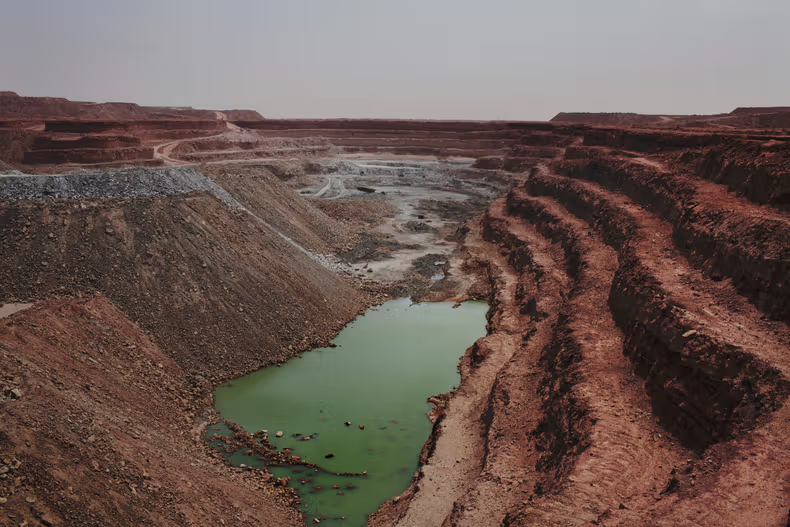
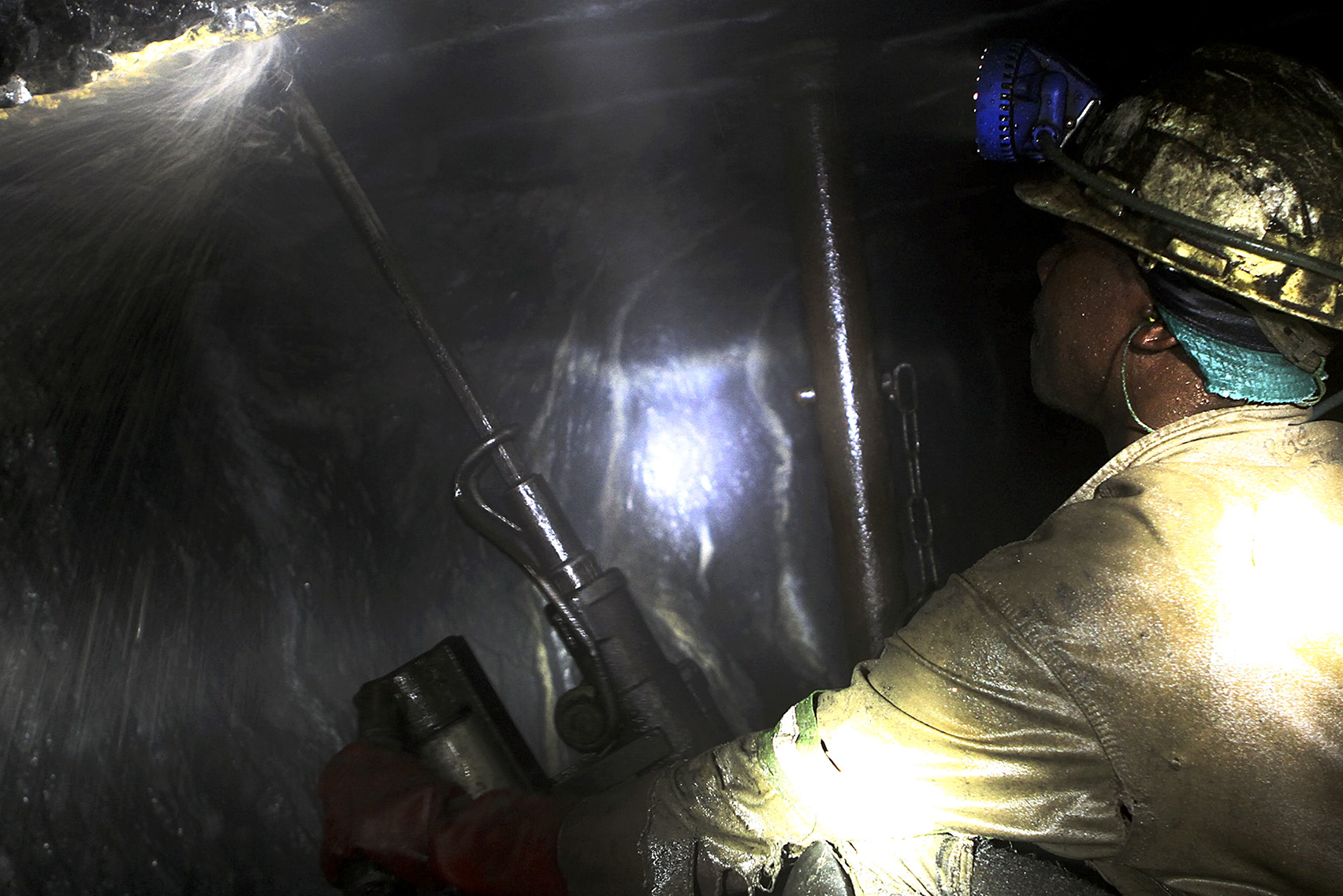
Türkiye is expanding its presence in Africa’s mining and critical minerals sector as Somalia seeks Turkish support to develop uranium and strategic mineral deposits estimated to include more than 10,200 tons of uranium resources. The move marks a major expansion of the growing partnership between Ankara and Mogadishu, extending cooperation beyond oil and gas into mining, mineral exploration, and resource development.
Somalia is believed to possess significant untapped reserves of uranium alongside other valuable critical minerals such as lithium, copper, titanium, gold, and rare earth elements. As global demand for strategic minerals continues to rise due to the energy transition and advanced technology industries, Somalia is positioning itself to attract foreign investment and technical expertise to unlock its mining potential.
Somali Petroleum and Mineral Resources Minister Dahir Shire Mohamed confirmed that the country is seeking deeper cooperation with Türkiye to support the exploration and development of these resources. According to Mohamed, Somalia intends to develop its mineral wealth in a stable and mutually beneficial manner while leveraging international partnerships to strengthen its mining sector.

Data from the International Atomic Energy Agency and the OECD Nuclear Energy Agency estimate Somalia’s uranium resources at approximately 10,200 tons, with around 7,600 tons considered potentially commercially recoverable. Despite these estimates, much of Somalia’s mineral-rich territory remains underexplored due to decades of political instability, security challenges, and limited infrastructure development.
Türkiye’s growing involvement in Somalia reflects Ankara’s broader strategy to increase its influence across Africa’s energy and natural resources industries. Turkish authorities have steadily expanded economic and diplomatic ties with African nations through investments in infrastructure, trade, defence, education, and energy cooperation. The latest focus on mining highlights the increasing global competition for access to uranium, rare earth elements, lithium, and other critical minerals essential for clean energy technologies and industrial manufacturing.
The partnership between Türkiye and Somalia has already deepened significantly in recent years. Türkiye has become one of Somalia’s closest international partners, supporting projects across multiple sectors including security, transport infrastructure, healthcare, education, and energy development. Ankara’s involvement in Somalia’s offshore oil and gas sector recently expanded further with the deployment of the Turkish drilling vessel Cagri Bey, marking Türkiye’s first overseas offshore drilling mission.
Mining cooperation now appears to be the next phase of this expanding relationship. Somali and Turkish officials recently held discussions in Istanbul focused on reviving a 2016 mining memorandum of understanding that covers geological mapping, mineral exploration, technical training, and investment cooperation. Somali officials indicated that both countries are reviewing the agreement to determine how best to accelerate collaboration on mineral development projects.
Minister Mohamed stated that Somalia intends to establish a joint technical committee with Türkiye to review available geological data and identify opportunities for exploration and investment. The initiative is expected to help Somalia build the institutional and technical capacity needed to develop a future mining industry capable of attracting international investors.
Türkiye’s push into Africa’s critical minerals sector is not limited to Somalia. Nigeria recently signed a mining cooperation agreement with Türkiye aimed at strengthening collaboration in mineral exploration, mining technology, digitisation, and technical capacity building. Nigeria’s solid minerals sector is estimated to contain as much as $700 billion in untapped mineral resources, making it another strategic target for Turkish investment and partnerships.
The growing Turkish presence in African mining reflects a broader global scramble for critical minerals needed for electric vehicles, renewable energy systems, semiconductors, batteries, and advanced manufacturing technologies. Uranium remains particularly important as countries around the world expand nuclear energy capacity to strengthen energy security and reduce carbon emissions.
For Somalia, the partnership with Türkiye offers an opportunity to transform long-dormant mineral reserves into a new source of economic growth, foreign investment, and industrial development. Access to Turkish expertise, financing, and technical support could help Somalia begin building a mining industry capable of contributing to long-term economic recovery and infrastructure development.
The country’s strategic mineral reserves could also increase Somalia’s geopolitical importance as international competition intensifies for access to critical resources across Africa. However, experts note that successful development of Somalia’s mining sector will require improved security, stronger governance, transparent regulations, and substantial infrastructure investment.
Türkiye’s expanding role in Somalia and across Africa demonstrates Ankara’s ambition to become a major player in the global critical minerals and energy sectors. As demand for uranium and strategic minerals continues to grow worldwide, partnerships between African nations and foreign investors are expected to play an increasingly important role in shaping the future of the global resource economy.