South Korea Deepens Africa Engagement as Critical Minerals Race Intensifies
South Korea is accelerating its engagement with Africa as competition for critical minerals, supply chain security, and strategic economic partnerships intensifies across the global economy.
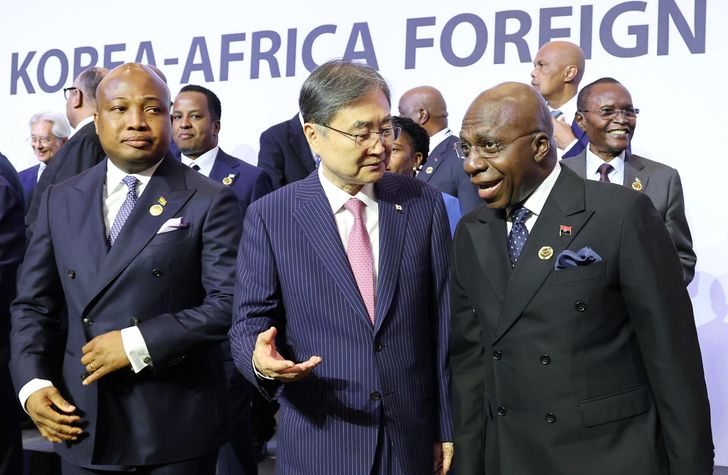
The growing focus was evident at the 2026 Korea-Africa Foreign Ministers’ Meeting in Seoul, where representatives from 50 African countries and leading continental institutions gathered to discuss trade, investment, industrial development, and future cooperation.
The meeting reflects Seoul’s recognition that Africa is becoming increasingly important not only as a market and investment destination, but also as a strategic partner in securing access to the minerals and resources that will power the industries of the future.

Africa’s Rising Strategic Importance
As geopolitical tensions, trade disruptions, and energy security concerns reshape global supply chains, governments around the world are seeking to diversify sources of critical raw materials.
Africa has emerged as a central player in that equation.
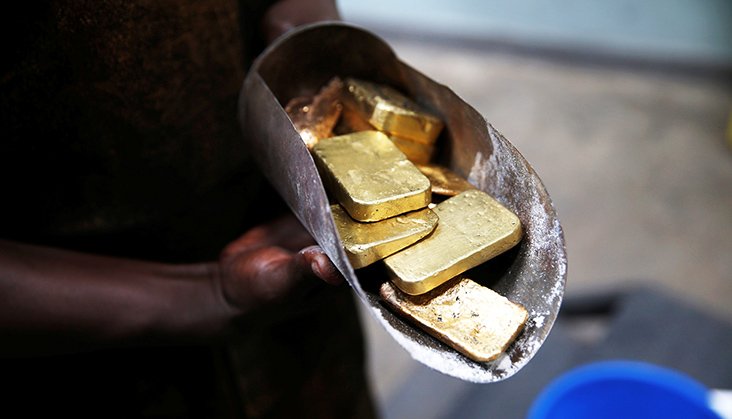
The continent is estimated to hold approximately 30 percent of the world’s critical mineral reserves, including significant deposits of cobalt, lithium, manganese, graphite, platinum group metals, rare earth elements, and other resources essential for electric vehicles, batteries, semiconductors, renewable energy systems, and advanced manufacturing.
Speaking at the ministerial gathering, Cho Hyun highlighted the changing global environment and Africa’s growing relevance within it.
“We gather today at a critical juncture where the global order is rapidly shifting,” he said, pointing to mounting challenges surrounding supply chains, food security, and energy resilience.
The minister noted that Africa’s strategic location along major maritime trade routes, combined with its resource wealth and demographic growth, is elevating its importance within the global economy.
Beyond Resource Extraction
While access to critical minerals is a key component of South Korea’s Africa strategy, officials emphasized that cooperation is intended to extend beyond resource acquisition.
Discussions focused on expanding partnerships across trade, industrial development, technology transfer, infrastructure, food security, and innovation.
African leaders have increasingly advocated for investment models that support local value addition, manufacturing, and skills development rather than simply exporting raw materials.
That approach aligns with broader continental ambitions under the African Continental Free Trade Area, which aims to strengthen industrialisation and intra-African trade.
The ministerial meeting included participation from major African institutions, including the African Union, the African Development Bank, the AfCFTA Secretariat, and the Africa Centres for Disease Control and Prevention.
Their presence underscored the increasingly comprehensive nature of Africa-Korea engagement.
A New Era of Economic Cooperation
For African governments, South Korea represents an attractive development partner.
The country transformed itself within a few decades from a developing economy into one of the world’s leading industrial and technological powers, building globally competitive industries in electronics, automotive manufacturing, shipbuilding, semiconductors, and advanced engineering.
Many African policymakers view aspects of South Korea’s development experience as relevant to the continent’s own industrialisation ambitions.
Speaking on behalf of the African Union leadership, Samuel Okudzeto Ablakwa called for a shift toward more transformative economic cooperation.
“We need to move beyond traditional models of cooperation toward transformative economic collaboration,” he said.
The statement reflects a growing consensus among African leaders that future partnerships should focus on industrial development, technology transfer, investment, and value creation.
Competition for Africa’s Critical Minerals
South Korea’s growing interest in Africa comes amid intensifying global competition for access to critical minerals.
Countries including China, the United States, Japan, India, members of the European Union, and Gulf states have all expanded their engagement with African resource-producing nations in recent years.
The race is being driven largely by the global energy transition and the rapid growth of industries linked to electric mobility, renewable energy, battery storage, and advanced manufacturing.
Africa’s mineral-rich economies have increasingly sought to leverage this demand to secure better investment terms, local processing commitments, and industrial development opportunities.
Rather than remaining suppliers of raw materials, many governments are pushing for investments that create jobs and strengthen domestic value chains.
From Diplomacy to Business
A key objective of the Seoul gathering is translating diplomatic engagement into tangible economic outcomes.
A Korea-Africa business forum held alongside the ministerial meeting brings together government officials, investors, corporate leaders, and development institutions to explore practical opportunities in trade, infrastructure, mining, manufacturing, and technology.
South Korea’s globally competitive companies are expected to play an increasingly active role in sectors ranging from renewable energy and automotive manufacturing to critical minerals processing and digital technologies.
For African countries, such investments could provide new sources of capital, technology, and market access.
Looking Toward 2029
The Seoul meeting also laid the groundwork for a second Korea-Africa Summit scheduled for 2029.
The inaugural summit, held in 2024, marked a significant milestone in relations between South Korea and African nations. The planned follow-up summit is expected to further institutionalise cooperation and expand economic engagement.
According to South Korean officials, discussions over the coming years will focus on building long-term partnerships capable of addressing shared challenges while unlocking new growth opportunities.
Africa at the Centre of Global Supply Chains
The significance of the Korea-Africa ministerial meeting extends beyond diplomacy.
It reflects a broader shift in how major economies view Africa—not simply as a source of raw materials or development assistance recipient, but as a strategic partner in the industries and supply chains that will shape the global economy over the coming decades.
As demand for critical minerals continues to rise and supply chain diversification becomes a national priority for many countries, Africa’s geopolitical and economic importance is likely to grow even further.
For South Korea, deeper engagement with Africa is increasingly becoming both an economic necessity and a strategic opportunity.
For African nations, the challenge will be ensuring that these partnerships support not only resource extraction but also industrialisation, technology transfer, job creation, and long-term economic transformation.
The next phase of Korea-Africa relations may therefore be defined not by aid or diplomacy alone, but by the ability of both sides to build resilient, mutually beneficial economic partnerships in an increasingly competitive global landscape.
Share this content: