Sumitomo Funds Exit from Madagascar’s Ambatovy Nickel Project as New Investors Take Control
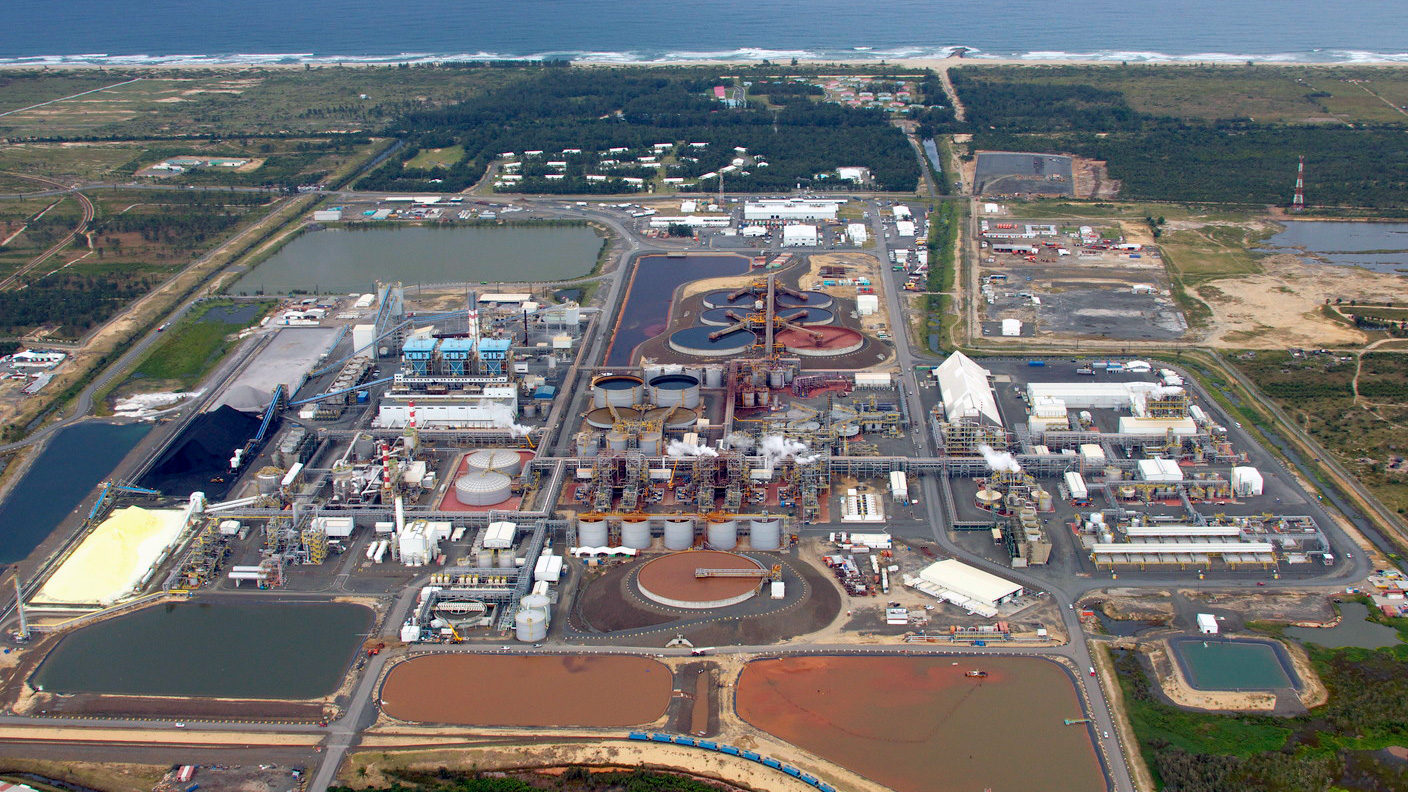
Image: Sumitomo
MADAGASCAR – Japanese trading and investment group Sumitomo Corporation is financing the sale of its majority stake in the Ambatovy nickel and cobalt project in Madagascar, paving the way for its exit from a venture that has struggled to generate sustainable returns despite billions of dollars in investment.
The move comes after Sumitomo announced in May that it would dispose of its 54% interest in the Ambatovy operation, a project in which the company has invested approximately US$3 billion over the past two decades while accumulating losses estimated at US$2.5 billion.

Industry sources indicate that Sumitomo has provided financing support to the acquiring consortium, which includes Jason Kluk and Zungu Investments. The transaction remains subject to completion, with closing expected by the end of September.
The financing arrangement resembles a vendor-financing structure, allowing the buyers to take control of the operation while enabling Sumitomo to withdraw from a project that has faced persistent operational and financial challenges.
Operational setbacks continue
Part of the funding is expected to support repairs to infrastructure damaged by recent cyclones. Ambatovy has been suspended since February following weather-related disruptions, although production is scheduled to resume by the end of June.
The project, one of the largest nickel and cobalt operations in Africa, remains strategically important to global battery mineral supply chains. In 2024, Ambatovy produced approximately 28,000 tonnes of nickel and 2,500 tonnes of cobalt, materials widely used in electric vehicle batteries and energy storage systems.
Despite its scale and resource base, Ambatovy has struggled to achieve consistent profitability. Analysts point to operational difficulties, fluctuating commodity prices, and high production costs as key factors behind its financial underperformance.
New owners face turnaround challenge
Industry observers note that turning the operation into a profitable business will be a significant challenge for the incoming investors.
Even with the backing and technical expertise of Sumitomo, the project experienced years of production instability and margin pressure. More recently, a sharp increase in sulphur prices—a critical input in nickel processing—has further raised operating costs and squeezed profitability.
The remaining 46% stake in Ambatovy is held by Korea Mine Rehabilitation and Mineral Resources Corporation.
While Sumitomo declined to comment on the financing arrangements, the company said the transaction is intended to support the “continued and sustainable operation” of Ambatovy under new ownership. It also confirmed that it expects to record a US$418 million loss related to the disposal.
Strategic implications
The ownership transition highlights the growing pressures facing operators in the global nickel industry, where weak prices, rising input costs and increasing competition have forced companies to reassess their portfolios.
For Madagascar, maintaining operations at Ambatovy remains critical given the mine’s role as a major exporter, employer and source of foreign exchange earnings. The success of the new ownership group will likely determine whether the project can finally deliver the long-term value anticipated when it was first developed as one of the world’s largest laterite nickel projects.
As demand for battery minerals continues to grow globally, industry participants will be closely watching whether new management can stabilise production, improve efficiency and unlock profitability from one of Africa’s most significant nickel assets.
Share this content: