Ghana’s Economy Grows 6.4% in Q1 2026 as Mining and ICT Sectors Drive Strong Expansion

Mining Recovery and Digital Economy Boom Power Ghana’s Economic Growth
Ghana’s economy recorded a strong 6.4% year-on-year growth in the first quarter of 2026, highlighting the country’s resilience and strengthening its position as one of West Africa’s fastest-growing economies.
According to data released by the Ghana Statistical Service (GSS), the impressive performance was driven by robust expansion in the services and industrial sectors, particularly mining, information and communication technology (ICT), manufacturing, and transportation.

The latest figures reflect an acceleration in economic activity compared to previous quarters and signal growing confidence in Ghana’s economic recovery strategy amid an uncertain global environment.
Services Sector Remains the Largest Contributor to Economic Growth
The services sector continued to serve as the primary engine of Ghana’s economy, expanding by 7.1% during the first quarter and accounting for nearly half of overall GDP growth.
One of the strongest performers was the Information and Communication Technology (ICT) sector, which recorded remarkable growth of 25.2%. The surge highlights Ghana’s rapid digital transformation and growing investment in technology-driven industries.
The expansion was supported by increased demand for digital services, mobile connectivity, fintech solutions, data infrastructure and digital financial platforms.
Other service industries also delivered strong results. Transport and Storage grew by 13%, reflecting increased business activity and trade flows, while Trade, Repair of Vehicles and Household Goods expanded by 9%, supported by stronger consumer spending and commercial activity.
Mining Sector Leads Industrial Recovery
Ghana’s industrial sector recorded growth of 6.9% during the first quarter, marking a significant improvement compared to the same period in 2025.
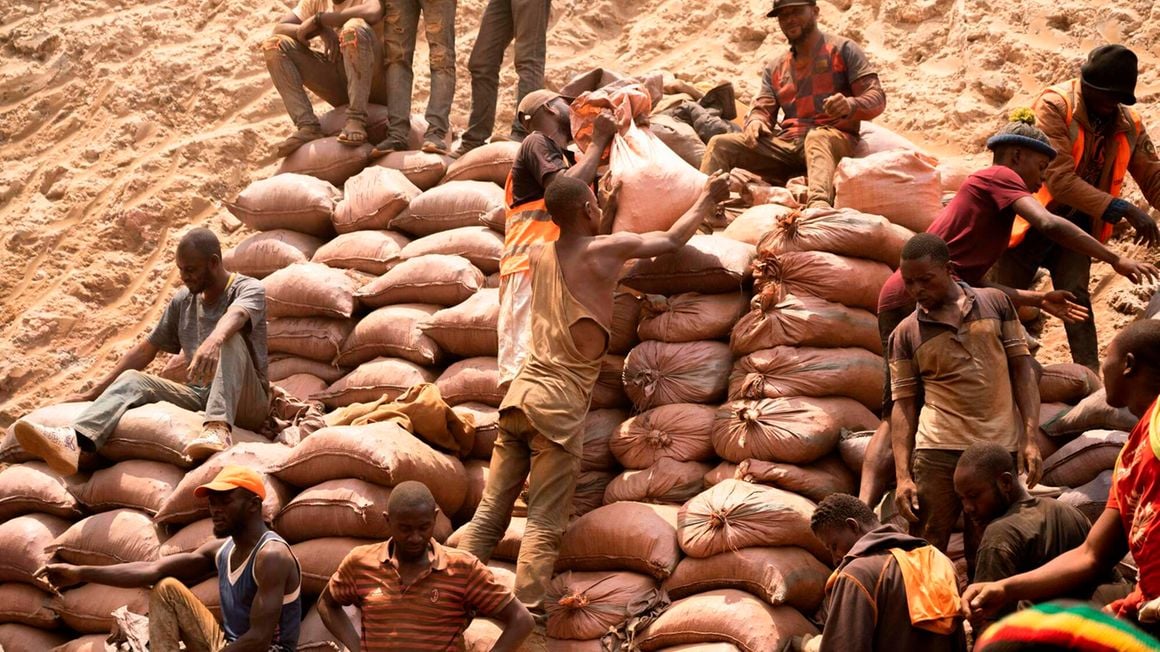
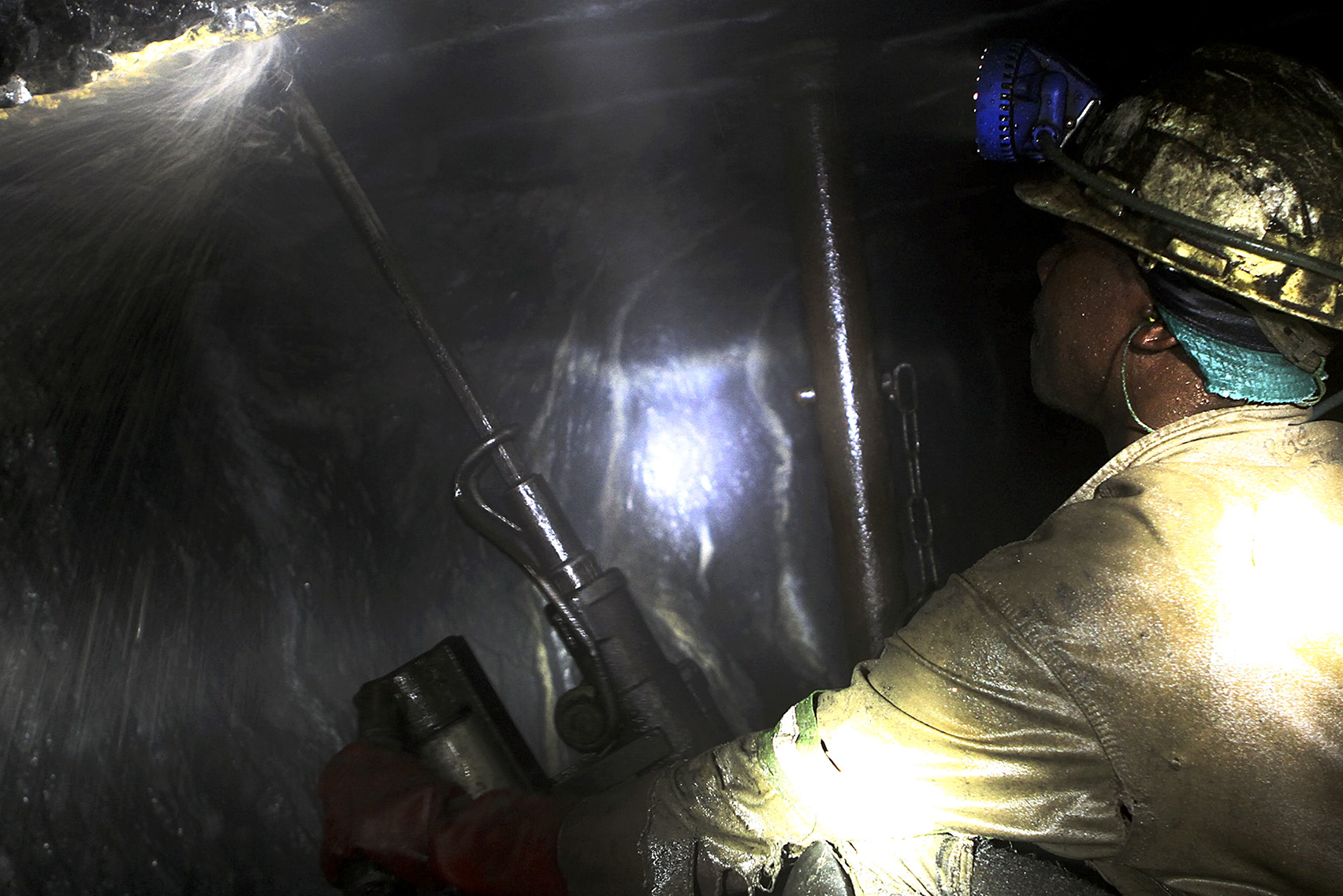
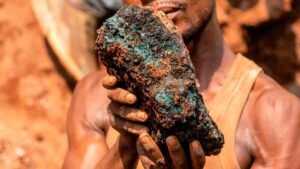
The Mining and Quarrying sector emerged as the standout performer, growing by 10.7% compared to 2.7% in the corresponding quarter last year.
As one of Africa’s leading gold-producing nations, Ghana benefited from favourable commodity prices, increased mining output and improved operational efficiencies across the sector.
The strong performance of mining reinforces the industry’s importance to Ghana’s economy, export earnings and foreign exchange generation.
Oil and Gas Sector Returns to Growth
The oil and gas industry also returned to positive territory after experiencing challenges in 2025.
The sector recorded growth of 7% during the first quarter of 2026, reversing the contraction seen a year earlier. The recovery reflects improved production levels and stronger performance across Ghana’s energy sector.
Meanwhile, manufacturing continued to support industrial growth, posting a healthy expansion rate of 6.2%. The sector remains a critical component of Ghana’s economic diversification strategy and employment creation efforts.
Non-Oil Economy Shows Broad-Based Strength
A notable feature of the latest GDP figures was the strong performance of Ghana’s non-oil economy.
Non-oil real GDP grew by 6.3%, demonstrating that economic expansion is being driven by multiple sectors rather than relying solely on petroleum production.
Economists view this as a positive sign of structural transformation, indicating that growth is becoming more diversified and sustainable.
The broad-based nature of the expansion reflects increasing contributions from technology, services, manufacturing, mining and trade, creating a more balanced economic foundation.
Economic Reforms and Lower Inflation Support Growth
Analysts attribute Ghana’s strong first-quarter performance to a combination of macroeconomic stability measures and targeted policy reforms implemented over recent years.
Lower inflation levels and reduced interest rates have improved business conditions, enabling companies to access financing more easily, expand operations and increase investment.
Improved borrowing conditions have also supported job creation and enhanced private-sector activity across key industries.
Government Statistician Alhassan Iddrisu noted that the results demonstrate the impact of ongoing efforts to stabilise the economy and stimulate productive sectors.
Economic observers say improved fiscal management and policy consistency have helped strengthen investor confidence and support sustainable growth.
Ghana’s Digital Economy Continues to Accelerate
The exceptional growth recorded in the ICT sector reflects Ghana’s emergence as one of Africa’s leading digital economies.
Rising adoption of mobile money platforms, financial technology services, cloud computing, e-commerce and digital infrastructure investments are transforming the country’s economic landscape.
Technology-driven growth is increasingly becoming an important source of employment, entrepreneurship and innovation, particularly among young people.
The rapid expansion of digital services also aligns with broader trends across Africa, where technology is playing a growing role in financial inclusion and economic development.
Strong Economic Performance Boosts Investor Confidence
The latest growth figures are expected to strengthen Ghana’s attractiveness as an investment destination.
The combination of a recovering mining sector, expanding digital economy and improving macroeconomic environment creates opportunities for both domestic and international investors.
Mining, manufacturing, telecommunications, logistics and financial technology are among the sectors attracting increasing interest from investors seeking exposure to Africa’s growth markets.
Ghana’s strategic location within West Africa and its role as a regional trade hub further enhance its appeal for businesses looking to access continental markets.
Outlook for Ghana’s Economy in 2026
Economists remain cautiously optimistic about Ghana’s growth prospects for the remainder of 2026.
Continued investment in infrastructure, supportive monetary policies and ongoing economic reforms are expected to sustain momentum across key sectors.
However, risks remain, including global commodity price fluctuations, geopolitical tensions and the need to maintain fiscal discipline.
Despite these challenges, the strong first-quarter performance provides a solid foundation for continued expansion throughout the year.
Ghana Demonstrates the Power of Diversified Growth
Ghana’s 6.4% economic growth in the first quarter of 2026 highlights the benefits of a diversified economic strategy that combines traditional industries with emerging sectors.
The strong rebound in mining, coupled with rapid expansion in information and communication technology, demonstrates how natural resources and digital innovation can work together to drive sustainable development.
As the country continues to strengthen its economic fundamentals and attract investment, Ghana is increasingly positioning itself as one of Africa’s most dynamic and resilient economies.
The latest GDP figures not only reflect short-term economic success but also underscore the growing importance of innovation, industrial development and structural reform in shaping Africa’s future growth story.
Share this content: