Africa’s Mining Future Increasingly Driven by Energy-Powered Digital Transformation

Africa’s mining sector is entering a new era where reliable energy, digital technologies and local mineral processing are becoming critical drivers of competitiveness, investment and industrial growth.
As demand for critical minerals accelerates due to the global energy transition, electric vehicles, artificial intelligence and advanced manufacturing, African countries are seeking to capture more value from their mineral resources through beneficiation, refining and downstream industries.
Industry experts argue that achieving these ambitions will require more than mineral wealth alone. The foundation for sustainable growth lies in building reliable, affordable and intelligent energy infrastructure capable of supporting modern mining operations and industrial development.

Mining at the Centre of Africa’s Industrial Ambitions
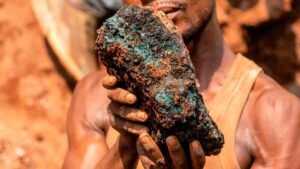
Africa holds approximately 30% of the world’s mineral reserves and remains a leading supplier of strategic resources such as cobalt, platinum group metals, copper, lithium and manganese.
Countries across the continent are increasingly pursuing policies aimed at strengthening local value addition rather than relying solely on raw mineral exports.
The Democratic Republic of Congo (DRC), for example, recently established a strategic reserve for cobalt and other critical minerals, allocating 10% of annual cobalt exports for national strategic use. The move reflects a broader continental trend toward greater resource control and domestic industrial development.
Mining remains one of Africa’s largest sources of foreign exchange earnings and investment. The sector is also expected to play a vital role in supporting opportunities created by the African Continental Free Trade Area (AfCFTA), which is projected to boost intra-African trade and stimulate industrial growth.
Energy Remains a Major Constraint
Despite significant resource potential, many mining operations continue to face challenges linked to unreliable electricity supply.
In countries such as the DRC and Guinea, where mining contributes heavily to exports and economic activity, unstable power systems increase operating costs and undermine industrial competitiveness.
Many mines are located in remote regions with limited grid access, forcing operators to rely on diesel generators for power generation. This dependence exposes companies to fluctuating fuel prices, logistical challenges, fuel theft and costly production interruptions.
For mineral processing facilities and refineries, energy reliability is particularly important. Higher-value activities such as smelting, refining and beneficiation require continuous power supply to remain economically viable.
Without dependable electricity infrastructure, efforts to expand local mineral processing could face significant obstacles.
Digitalisation Reshaping Mining Operations
Alongside energy challenges, mining companies are increasingly embracing digital technologies to improve productivity, safety and sustainability.
The integration of artificial intelligence, predictive maintenance systems, autonomous equipment and remote monitoring technologies is transforming how mines operate.
These technologies rely on stable energy systems capable of supporting real-time data processing, automation and advanced communications infrastructure.
Industry analysts note that intelligent energy systems are becoming essential components of modern mining operations, enabling companies to reduce costs, improve operational efficiency and strengthen environmental performance.
Renewable Energy and Storage Gain Momentum
Solar photovoltaic (PV) systems combined with battery energy storage solutions are emerging as viable alternatives for mining operations, particularly in remote and weak-grid locations.
These technologies can reduce dependence on diesel fuel while improving energy security and lowering carbon emissions.
Energy storage systems also help stabilize electricity supply by balancing fluctuations and maintaining power quality for critical mining equipment.
As environmental, social and governance (ESG) standards become increasingly important to investors and international buyers, cleaner energy solutions may also enhance the competitiveness of African mineral exports.
Building Competitive Mining Value Chains
Experts argue that Africa’s long-term opportunity extends beyond supplying raw materials for the global energy transition.
The continent can leverage its mineral wealth to develop integrated value chains that support processing, manufacturing, logistics and technology industries.
Achieving this goal will require coordinated investment in energy infrastructure, digital technologies, transport networks and industrial zones.
Decentralized renewable energy systems, including solar and battery microgrids, are increasingly viewed as practical solutions that can accelerate industrial development by bringing reliable power closer to mining operations and processing facilities.
From Resource Extraction to Industrial Growth
Africa’s mining future will likely be shaped not only by the size of its mineral deposits but by its ability to build resilient energy systems that support industrialisation and digital transformation.
As governments pursue greater value addition and investors seek sustainable supply chains, energy-enabled digital mining solutions are expected to play an increasingly important role in improving competitiveness and unlocking long-term economic value.
The countries that successfully combine mineral resources with reliable energy, advanced technologies and local processing capabilities will be best positioned to benefit from the growing global demand for critical minerals while creating jobs, attracting investment and strengthening industrial development across the continent.
Share this content: