Namibia Advances Rare Earth Processing To Capture More Value From Critical Minerals

Namibia is taking another important step towards strengthening Africa’s critical minerals industry after approving new investment to advance processing at the Lofdal Rare Earth Project. The move reflects a growing continental strategy to increase local value addition and reduce dependence on exporting raw mineral concentrates.
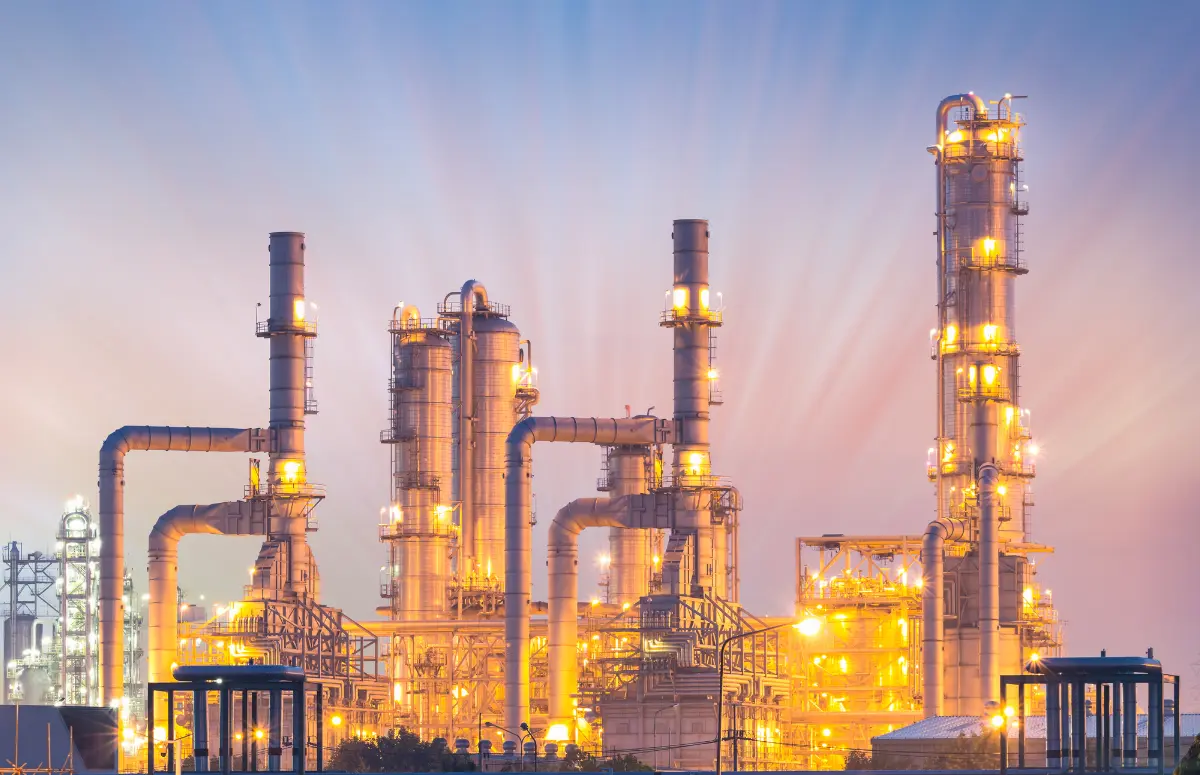
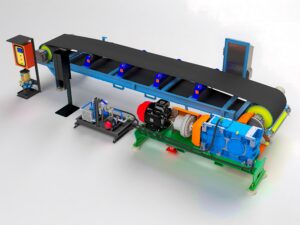
The latest investment will fund the next stage of the project’s Definitive Feasibility Study, focusing on the production of higher-value rare earth carbonates through an integrated processing facility. Rather than exporting mineral concentrates for overseas refinement, the project aims to process materials further within Namibia before they enter global supply chains.
Rare earth elements have become increasingly important as demand rises for electric vehicles, renewable energy technologies, advanced electronics and defence applications. Materials such as neodymium, praseodymium, dysprosium and terbium are essential components in the permanent magnets used in electric motors, wind turbines and other high-tech manufacturing industries.

The Lofdal project is being developed in partnership with the Japan Organization for Metals and Energy Security (JOGMEC), highlighting growing international interest in securing diversified sources of critical minerals outside traditional supply markets. The collaboration also strengthens Namibia’s position as one of Africa’s emerging rare earth producers.
Namibia’s latest investment reflects a broader trend across Africa, where governments are encouraging mining companies to establish local processing facilities rather than exporting unprocessed minerals. Countries including Angola, Malawi and South Africa are also advancing projects aimed at producing higher-value rare earth products, supporting industrial development while increasing export revenues.
Although Africa hosts significant rare earth resources, much of the continent’s production is still exported for refining elsewhere. Expanding domestic processing capabilities would allow African producers to retain more value from their mineral wealth, create skilled employment opportunities and strengthen regional manufacturing industries.
With global demand for critical minerals expected to grow steadily over the coming decade, Namibia’s investment signals increasing confidence in Africa’s ability to move further along the mining value chain. While challenges remain before the continent develops full-scale refining and advanced manufacturing capacity, projects such as Lofdal demonstrate meaningful progress towards building a more competitive and value-driven mining sector.
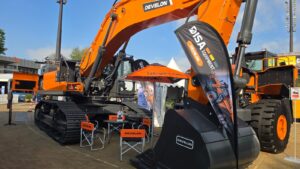
Suggested Image: Rare earth exploration or processing facilities at the Lofdal Project in Namibia, or rare earth mineral samples used in electric vehicle and renewable energy technologies.
Share this content: