Congo’s EGC Targets Battery Makers After Fulfilling Cobalt Export Quotas
The Democratic Republic of Congo’s state-backed artisanal cobalt buyer, Entreprise Generale du Cobalt (EGC), is seeking closer relationships with end-users including electric vehicle and battery manufacturers as it works to expand the market for traceable artisanal cobalt.
A senior EGC executive told Reuters that the company’s ability to fully utilise its allocated cobalt export quota demonstrates that formalised artisanal mining can deliver traceable supplies at commercial scale.
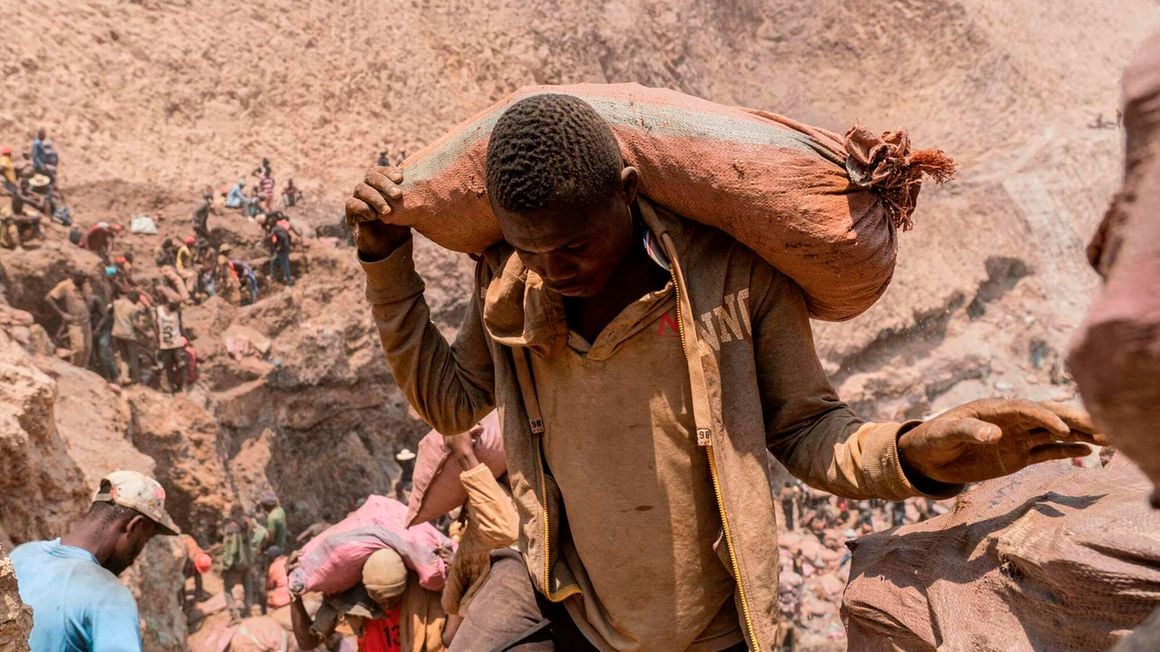
The Democratic Republic of Congo (DRC) is the world’s largest cobalt producer, with artisanal and small-scale miners accounting for an estimated 15% to 25% of national cobalt output.

The government has been working to formalise the artisanal mining sector through export quotas and tighter oversight of cobalt, a critical mineral widely used in batteries and other technologies supporting the energy transition.
EGC says it has fully used its cobalt quota
Entreprise Generale du Cobalt was established to channel cobalt produced by artisanal miners into formal supply chains.
According to senior adviser Daniel Saka Mbumba, EGC has shipped 100% of its allocated export quota since Congo introduced the quota system in October 2025.
He said the performance demonstrates that the formalisation model can deliver traceable artisanal cobalt to international markets at commercial scale.
While some cobalt producers have struggled to use their allocations because of complex shipping requirements, EGC says it has avoided leaving quotas unused.
Cobalt regulator ARESCOM has warned that unused quotas could be forfeited.
EGC seeks direct relationships with battery manufacturers
EGC currently sells cobalt through trading companies including Trafigura, Mercuria and Traxys.
The company now wants to establish closer relationships with end-users to better understand their sourcing requirements and explore opportunities for direct sales.
The move could help expand the market for artisanal cobalt that meets responsible sourcing and traceability requirements.
Major battery manufacturers and automakers have historically been cautious about purchasing artisanal cobalt from the DRC because of concerns about traceability and labour practices, including child labour.
Saka said EGC wants to demonstrate that these challenges can be addressed and that responsibly sourced artisanal cobalt can meet international market standards.
Congo remains central to global cobalt supply
Government data shows that the DRC exported 696,725 metric tons of copper cathode and 51,940 tons of cobalt hydroxide in the first quarter of 2026.
EGC itself shipped approximately 3,995 tons of contained cobalt and 1,400 tons of copper during the year, fully utilising its export allocations, Saka said.
The company’s efforts come as global manufacturers increasingly focus on the provenance of critical minerals used in batteries and other clean-energy technologies.
Apple and other cobalt users have faced litigation in the United States related to conditions in Congo’s artisanal mining sector. Apple has denied the allegations.
EGC expands artisanal mining partnerships
EGC currently works with five mining cooperatives and has another 12 partnerships under development, according to Saka.
The company is seeking to expand its network as it develops its formalisation model and brings more artisanal production into regulated supply chains.
The objective is to improve traceability while connecting small-scale producers with international markets that increasingly demand responsible sourcing standards.
Lobito Corridor cuts cobalt transit times
EGC recently completed its first shipment through the Lobito Corridor, exporting 587 tons of cobalt and 500 tons of copper cathodes through Angola.
According to Saka, the shipment reached its destination in approximately five days, compared with about 28 days through Dar es Salaam and more than 30 days through Durban.
The shorter transit time highlights the potential logistical advantages of the Lobito Corridor for mineral exports from Central Africa.
Saka said using multiple export corridors could also provide customers with greater flexibility and alternative transportation routes.
EGC plans to expand its formalisation model
EGC is now preparing to extend its formalisation approach beyond cobalt to coltan, another strategically important mineral produced by artisanal miners in the region.
The expansion could broaden EGC’s role in developing formal supply chains for critical minerals while giving international buyers greater visibility into the origins of raw materials.
For Congo, the initiative represents an effort to turn the country’s dominant position in global cobalt production into a more traceable and commercially accessible supply chain—while addressing some of the responsible-sourcing concerns that have historically limited access to major battery and automotive customers.
Share this content: