Ivory Coast Launches African Coalition to Fight Illegal Gold Mining
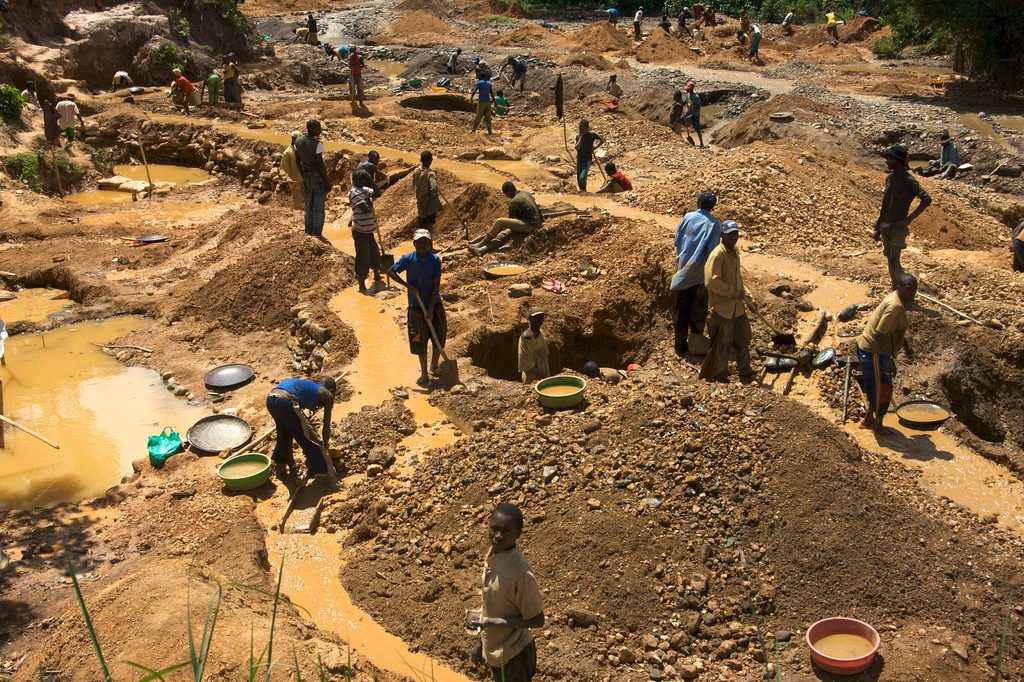
Ivory Coast has launched an African Coalition against land degradation and environmental pollution caused by illegal artisanal and small-scale gold mining, calling for stronger continental cooperation to tackle the environmental and social impacts of illegal gold extraction.
Ivorian Minister of Environment and Ecological Transition Abou Bamba officially launched the Coalition on Thursday, August 27, on the sidelines of the 17th session of the Conference of the Parties to the United Nations Convention to Combat Desertification (UNCCD COP17) in Ulaanbaatar, Mongolia.
The initiative seeks to make the fight against illegal gold mining a broader African priority linked to land protection, environmental sovereignty and continental stability.

African Coalition targets illegal gold mining
The new Coalition is designed to strengthen cooperation among African countries and improve their ability to address illegal artisanal and small-scale gold mining across borders.
Its priorities include:
- Strengthening cross-border cooperation and information sharing among African states.
- Harmonising policies, regulations and law-enforcement mechanisms related to illegal gold mining.
- Creating a common geospatial platform to identify and map major illegal gold-mining hotspots.
- Mobilising funding for land and ecosystem restoration in areas affected by mining.
- Supporting alternative livelihoods so affected communities can develop sustainable economic activities.
- Protecting communities and natural resources for future generations.
The initiative reflects Ivory Coast’s push for a coordinated African response rather than isolated national efforts.
Ivory Coast calls for continental action
Speaking at the launch, Minister Abou Bamba said African countries needed to take collective action to protect the continent’s natural resources.
“Africa is rising to defend its natural heritage. We are not waiting. We are taking the initiative. We are not just reacting. We are acting. We are not isolated. We are united,” Bamba said.
The minister argued that illegal gold mining has consequences that extend beyond the immediate mining sites, affecting ecosystems, communities and national development.
Illegal gold mining threatens land and water
According to Bamba, illegal gold mining contributes to soil degradation, water pollution, deforestation and ecosystem destruction.
The environmental damage can also affect biodiversity, food security and the livelihoods of communities that depend on land and natural resources.
The minister warned that degradation caused by illegal mining can undermine efforts to restore land and strengthen communities’ resilience to climate change.
For governments across Africa, the challenge is therefore not limited to enforcing mining laws. It also involves restoring damaged ecosystems and providing viable economic alternatives for communities involved in or affected by artisanal mining.
Coalition seeks international support
Ivory Coast is calling on other African countries to join the initiative and strengthen what it describes as a dynamic of continental solidarity.
The government is also seeking support from development partners, financial institutions, technical organisations, private-sector companies and other stakeholders.
The Coalition aims to mobilise the financial and technical resources required to implement large-scale measures to combat environmental degradation linked to illegal gold mining.
By combining stronger enforcement with environmental restoration, information sharing and alternative economic opportunities, the initiative seeks to address both the causes and consequences of illegal gold mining.
The launch positions Ivory Coast as a leading advocate for a coordinated African response to illegal gold mining and its growing environmental and socioeconomic impacts.
Share this content: