DRC Elevates Lithium to Strategic Mineral Status, Signalling New Era in Critical Minerals Policy
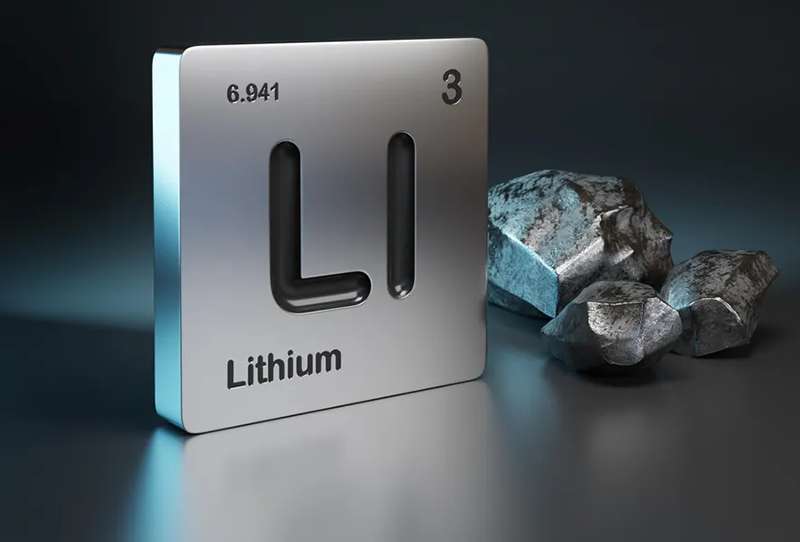
The Democratic Republic of Congo (DRC) has moved to strengthen its position in the global critical minerals economy by officially classifying lithium as a strategic mineral, a decision that could significantly increase government revenues while reshaping investment dynamics in one of Africa’s most important emerging lithium jurisdictions.
The move, approved by the Council of Ministers, places lithium alongside a growing list of minerals considered strategically important to national economic interests and the global energy transition.
The decision comes at a pivotal moment as large-scale lithium production begins in the DRC for the first time, positioning the country to become a significant player in the rapidly expanding global battery materials market.

Higher Royalties for Strategic Minerals
Under the DRC’s mining code, strategic minerals are subject to a royalty rate of 10%, substantially higher than the standard 3.5% royalty applied to most non-ferrous metals.
In addition to lithium, the government has added tantalum, niobium, tungsten, uranium, and rare earth elements to the strategic minerals category.
The expanded list now joins previously designated strategic minerals including cobalt, germanium, and coltan, reinforcing the government’s efforts to capture greater value from resources that are increasingly central to global industrial and technological supply chains.
According to government officials, the policy aims to ensure that the country benefits more fully from the growing geopolitical and economic significance of the minerals found within its borders.
A Growing Lithium Powerhouse
The policy shift arrives as the DRC begins commercial development of one of the world’s largest hard-rock lithium resources.
The country’s lithium ambitions are centred around the vast Manono Lithium Project in southeastern Congo, widely regarded as one of the most significant undeveloped lithium deposits globally.
Chinese mining giant Zijin Mining Group is preparing to commission operations at Manono, marking a major milestone in the country’s entry into global lithium production.
At the same time, venture-backed exploration company KoBold Metals recently launched what it described as the world’s largest lithium exploration programme in the country, highlighting growing international interest in Congolese battery minerals.
Backed by investors including prominent technology and business leaders, KoBold’s expansion underscores the increasing competition among global mining companies seeking access to future lithium supply.
Capitalising on the Energy Transition
Lithium has emerged as one of the most strategically important commodities in the global economy due to its essential role in rechargeable batteries used in electric vehicles, renewable energy storage systems, and consumer electronics.
Demand for lithium is expected to remain strong as governments and industries accelerate efforts to decarbonise transport and energy systems.
For the DRC, elevating lithium to strategic status reflects a broader trend among resource-rich nations seeking greater participation in the economic value generated by the global energy transition.
Rather than serving solely as suppliers of raw materials, many African governments are increasingly exploring policies designed to maximise fiscal revenues, encourage downstream processing, and strengthen national participation in critical mineral value chains.
Beyond Lithium: A Broader Critical Minerals Strategy
The inclusion of tantalum, niobium, tungsten, rare earth elements, and uranium highlights the DRC’s broader ambition to position itself as a global critical minerals powerhouse.
According to the United States Geological Survey, the DRC is already the world’s leading producer of tantalum, a metal used extensively in smartphones, computers, aerospace systems, and advanced electronics.
Many of these minerals are extracted from deposits in eastern Congo, a region that contains some of the world’s richest concentrations of strategic resources.
Rare earth elements, meanwhile, are becoming increasingly important for advanced manufacturing, electric vehicles, wind turbines, defence technologies, and high-performance electronics.
The addition of uranium is also notable given the historical significance of the country’s mineral endowment.
Although industrial uranium production is currently inactive, the historic Shinkolobwe Mine once supplied uranium used in the Manhattan Project during the Second World War.
Implications for Investors
While the higher royalty regime is expected to increase state revenues, it may also influence investment decisions within the mining sector.
Mining companies typically evaluate royalty structures alongside political risk, infrastructure availability, and long-term commodity price forecasts when allocating capital.
For existing and prospective investors, the DRC’s decision introduces a new economic variable that could affect project economics, particularly for early-stage developments and lower-margin operations.
However, the exceptional scale and quality of many Congolese mineral deposits may continue to attract investment despite higher fiscal obligations.
The country’s vast geological potential remains one of the strongest competitive advantages in the global mining industry.
Resource Nationalism Meets Global Demand
The DRC’s latest policy move reflects a wider trend across resource-rich nations seeking to capture greater value from commodities that are increasingly viewed as strategic assets.
As competition intensifies for access to battery metals and critical minerals, governments are reassessing fiscal frameworks to ensure national economies benefit from rising global demand.
For the DRC, the designation of lithium and other critical minerals as strategic resources marks more than a tax adjustment. It represents a clear statement of intent: the country wants a larger share of the economic value generated by the minerals powering the world’s technological and energy transformation.
With global demand for critical minerals expected to accelerate over the coming decades, the success of this strategy could play a major role in shaping both the future of the DRC’s mining sector and Africa’s position within the emerging green economy.
Share this content: