Namibia’s Mining Sector Sustains More Than 166,000 Jobs in 2025

Namibia’s mining industry continues to demonstrate its importance as a cornerstone of the national economy, supporting more than 166,000 jobs in 2025 while contributing significantly to government revenues, local procurement, and economic development.
According to industry data, the sector sustained a total of 166,384 jobs during the year, including 20,798 direct positions and 145,586 indirect jobs generated through contractors, suppliers, logistics providers, and other supporting industries. The figures underscore mining’s extensive economic multiplier effect and its role in supporting livelihoods across the country.
The employment contribution comes as Namibia strengthens its position as one of Africa’s most attractive mining destinations, driven by growing investment in uranium, gold, copper, lithium, and other critical minerals that are increasingly essential to the global energy transition.

Local Workforce Remains Central to Industry Growth
One of the sector’s most notable achievements continues to be its commitment to local employment. Approximately 97% of permanent mining positions are held by Namibian citizens, reflecting the industry’s long-standing investment in skills development, workforce training, and local capacity building.
Industry leaders have highlighted that the sector’s impact extends well beyond mine sites, with thousands of jobs supported through supply chains, engineering services, transportation, construction, equipment maintenance, and community development initiatives.
Mining Strengthens Economic Contribution
Despite challenges in certain commodity markets, mining remained a key driver of Namibia’s economy in 2025, contributing approximately 14% to the country’s gross domestic product (GDP).
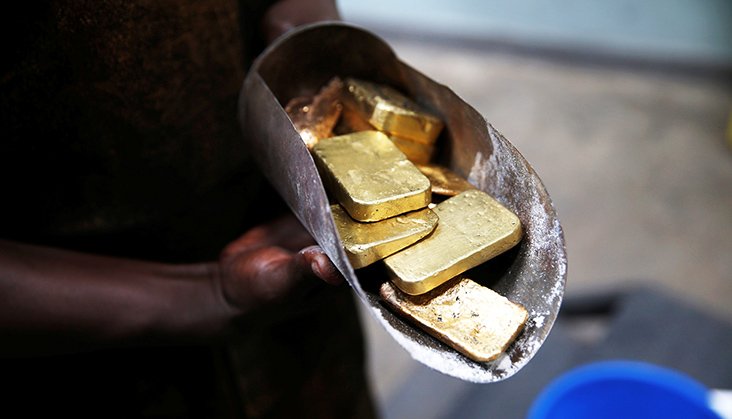
While diamond production faced headwinds amid weaker global demand, stronger performances from uranium and gold operations helped offset declines and reinforced the sector’s resilience. Namibia is currently attracting significant investor interest as demand for uranium continues to rise alongside global efforts to expand nuclear power generation and secure low-carbon energy sources.
Government revenues from the sector also increased substantially, with mining contributing approximately N$7.8 billion through corporate taxes, royalties, and export levies. These revenues continue to play a vital role in funding public services, infrastructure development, and national economic programmes.
Critical Minerals Drive Future Opportunities
Namibia’s growing importance in the global critical minerals market is expected to support further industry expansion in the coming years. Several exploration and development projects targeting uranium, lithium, rare earth elements, copper, and gold are advancing across the country, positioning Namibia as a strategic supplier of minerals required for renewable energy technologies, battery manufacturing, and advanced industrial applications.
As investment flows into new projects and existing operations expand production, the sector is expected to generate additional employment opportunities while strengthening local supply chains and boosting economic diversification.
Outlook
The latest employment figures reinforce the mining industry’s role as Namibia’s economic backbone. With rising global demand for critical minerals, increasing government revenues, and a predominantly local workforce, the sector is well positioned to remain a major contributor to economic growth and sustainable development.
As Namibia continues to attract international mining investment, the country’s ability to leverage its mineral wealth for job creation, infrastructure development, and long-term prosperity will remain a key focus for both government and industry stakeholders.
Share this content: