Cameroon Cracks Down on Illegal Gold Mining as Authorities Shut Noncompliant Sites

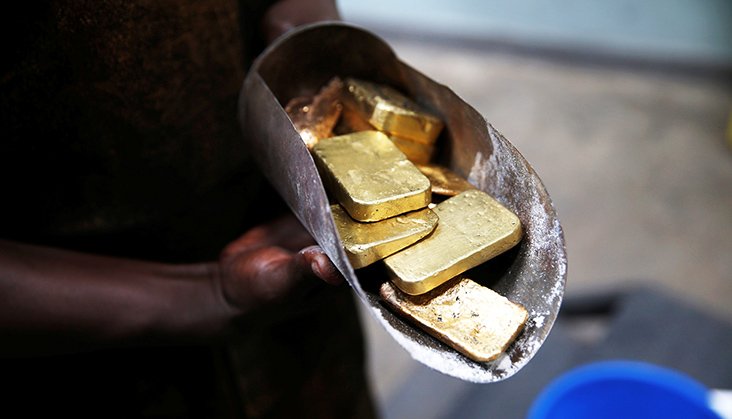
Cameroon is stepping up efforts to tackle illegal gold mining, with authorities shutting down several noncompliant mining sites and canceling foreign mining permits as the government seeks to strengthen oversight of the country’s gold sector.
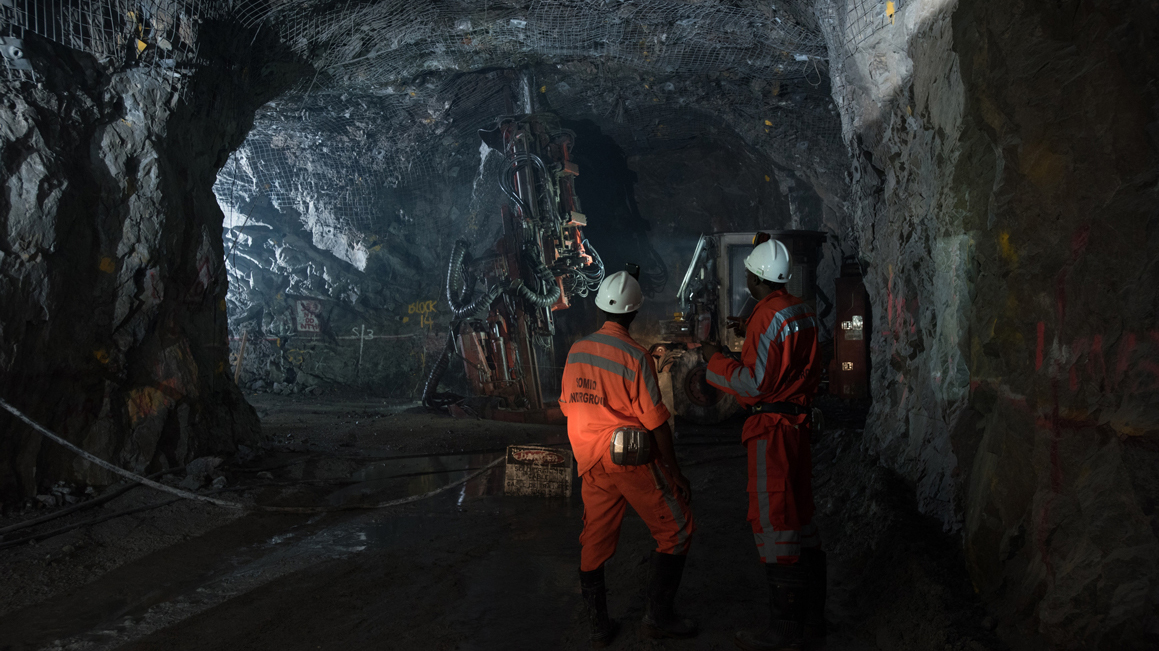
The latest enforcement campaign included unannounced inspections of gold mining operations led by Fuh Calistus Gentry, Cameroon’s acting minister of mines, industry and technological development.
During a three-day operation in June, authorities visited several mining sites. Four were reportedly shut down for operating without the required permits.

The crackdown comes as Cameroon faces growing concerns over illegal mining, gold smuggling, environmental damage and tensions between local communities and foreign-operated mining businesses.
Chinese-Operated Gold Mines Face Increased Scrutiny
Chinese nationals and companies have become a major focus of Cameroon’s efforts to regulate gold mining.
Illegal and noncompliant mining activity is particularly concentrated in eastern Cameroon and the Adamawa region, according to reports cited by the African Defense Forum.
Cameroon’s national gold mining union said in March that Chinese nationals were operating nearly 200 gold mining sites. The union alleged that some sites were operating without proper documentation and that gold was being sold through informal channels to buyers in neighboring countries.
Authorities canceled 74 foreign mining permits on June 29, further signaling the government’s effort to bring foreign mining operations under tighter regulatory control.
Cameroon Loses Billions Through Gold Smuggling
The crackdown is taking place against the backdrop of a major gap between Cameroon’s reported gold exports and the quantities recorded by international trading partners.
According to data from Cameroon’s national mining corporation, SONAMINES, approximately 44 tonnes of gold attributed to Cameroon were recorded as arriving in Dubai between 2021 and 2025, while Cameroon officially declared only 148 kilograms of gold exports during the same period.
The discrepancy represents an estimated US$3.4 billion in lost value or capital flight, according to the Institute for Security Studies (ISS).
The figures highlight the scale of the challenges facing Cameroon’s gold sector and the difficulties authorities face in tracking production and exports.
Huge Gap in Cameroon’s Gold Export Figures
The discrepancy is also evident in individual years.
In 2023, Cameroon reported gold production of approximately 953 kilograms, while officially declared exports stood at only about 22.3 kilograms.
At the same time, international trade data showed that importing countries recorded receiving more than 15 tonnes of gold attributed to Cameroon.
The gap has raised concerns about informal supply chains, illegal exports and the involvement of intermediaries who help move gold outside official channels.
ISS researchers say weak governance of gold mining in Cameroon is contributing to revenue losses while also increasing environmental degradation and local conflict.
Illegal Gold Mining Damages Cameroon’s Environment
Illegal and poorly regulated gold mining is also creating significant environmental concerns.
Mining operations can involve the use of hazardous substances, including mercury and cyanide, to recover gold. These chemicals can contaminate waterways and agricultural land when mining waste is poorly managed.
Cameroon banned the use of mercury in mining in 2019, but environmental concerns remain around gold-producing areas.
Rivers near mining and gold-processing sites have reportedly experienced pollution, affecting fish populations and raising concerns about the quality of water available to nearby communities.
The environmental impact extends beyond mining sites, particularly where gold washing and processing occur close to rivers and farmland.
Mercury Exposure Raises Health Concerns
Gold mining communities are also facing concerns over exposure to mercury.
Residents in areas surrounding Chinese-operated mines have reported health problems, while researchers have documented elevated mercury exposure among miners.
The African Defense Forum cited research indicating that more than 70% of miners in affected areas had mercury levels above World Health Organization safety guidelines.
Mercury exposure is particularly concerning for children and pregnant women because prolonged exposure can cause serious neurological and developmental effects.
Illegal Mining Fuels Local Conflicts
Mining disputes have also contributed to tensions between local communities, artisanal miners and foreign-operated companies.
In January, a protest against Chinese gold mining in the central Cameroonian village of Goro reportedly turned violent. Security forces intervened after midnight, with local media reporting civilian deaths, including a child.
There have also been previous violent confrontations involving Chinese mining operations and local gold miners.
These incidents illustrate the wider social tensions surrounding access to land, mining rights and control of gold resources.
Authorities Deploy Security Forces to Mining Sites
Cameroonian authorities have responded by deploying security forces to some mining areas, removing artisanal and semimechanized miners and temporarily suspending mining activities.
However, the Institute for Security Studies has warned that short-term interventions have not resolved the underlying problems.
Researchers say the removal of artisanal miners can also create resentment when communities believe enforcement disproportionately benefits larger mechanized operators, including foreign companies.
The challenge for Cameroon is therefore not simply shutting down illegal sites but establishing a transparent regulatory system that allows legitimate mining activity while protecting communities and the environment.
Concerns Over Treatment of Cameroonian Mine Workers
Labor conditions at some Chinese-operated mining companies have also come under scrutiny.
In May, Cameroon’s minister of labor and social security, Grégoire Owona, ordered an investigation after footage showing an alleged assault of a Cameroonian worker at a Chinese-owned company circulated online.
The incident added labor rights concerns to the broader debate surrounding foreign participation in Cameroon’s mining industry.
Cameroon Faces Pressure to Reform Gold Mining
Cameroon’s gold sector has significant economic potential, but weak oversight and informal trading networks have limited the benefits flowing to the state and local communities.
The reported US$3.4 billion gap in gold flows to Dubai between 2021 and 2025 has intensified calls for stronger controls over mining permits, gold purchases, exports and foreign operators.
The government is now under pressure to improve enforcement while creating clearer pathways for legitimate artisanal and industrial mining.
For Cameroon, tackling illegal gold mining could help recover lost public revenue, reduce environmental damage and improve transparency across the country’s mineral supply chains.
What Comes Next for Cameroon’s Gold Sector?
The latest mine closures and permit cancellations show that Cameroonian authorities are taking a more aggressive approach to illegal and noncompliant mining.
However, sustained reform will require more than periodic enforcement operations. Authorities will need stronger monitoring of mining permits, better tracking of gold production and exports, improved environmental enforcement and greater protection for local communities and workers.
With billions of dollars’ worth of gold potentially moving outside official channels, the stakes are high for Cameroon as it seeks to bring its gold industry under greater state control and ensure that the country’s mineral wealth contributes more directly to its economy.
Share this content: