West Africa’s Gold Rush Reshapes Mining Investment Landscape

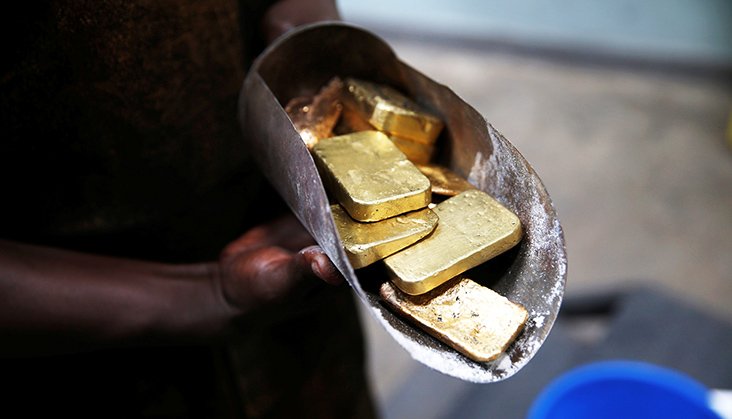
Surging gold prices are reshaping the mining investment landscape across West Africa, with governments and mining companies increasingly focused on how the region’s growing gold wealth can translate into economic development, jobs and stronger state revenues.
Global gold demand reached 1,231 tonnes in the first quarter of 2026, representing a market valued at approximately $193 billion and a 74% increase compared with the same period a year earlier.
The strength of the gold market is encouraging investors to look beyond the quality and size of deposits when assessing opportunities. Regulatory stability, taxation, infrastructure and government policy are becoming increasingly important factors in determining where mining capital is deployed.

Côte d’Ivoire Attracts New Mining Investment
Côte d’Ivoire is among the West African countries benefiting from renewed investor interest in gold.
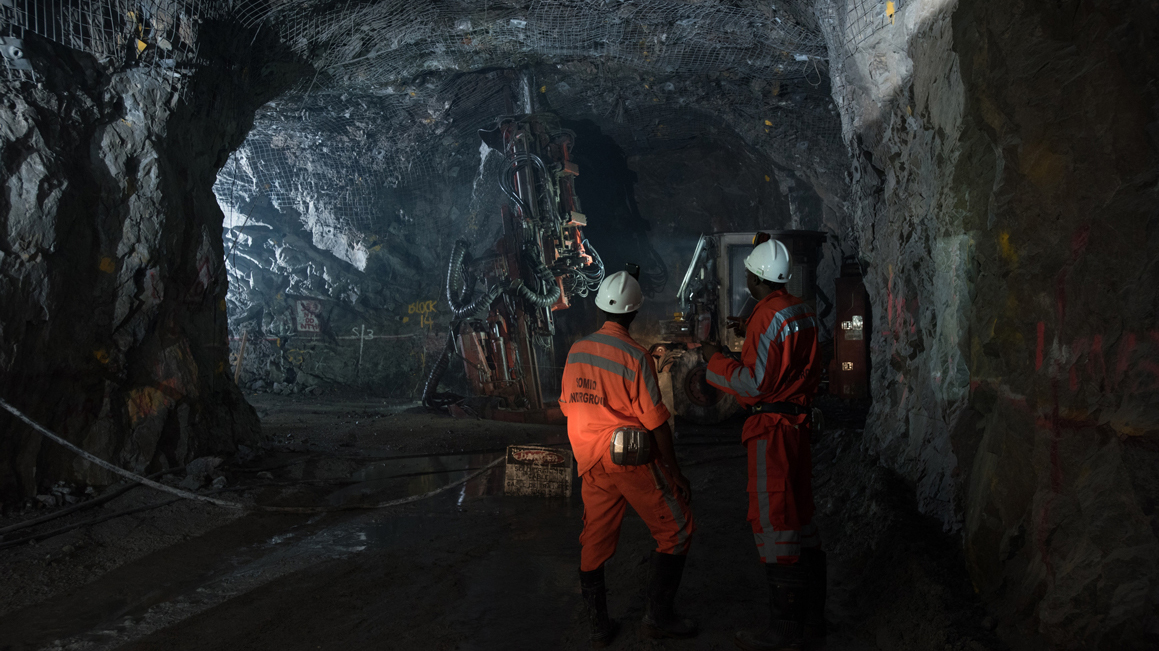
The Koné gold project is expected to produce more than 300,000 ounces of gold annually and create approximately 3,000 jobs, reinforcing the country’s position as an increasingly important destination for mining investment.
The project also highlights the broader economic potential of gold development, particularly where new mines can generate employment and stimulate demand for local services and infrastructure.
Mauritania and Guinea are similarly seeking to attract additional investment into their mining sectors as higher gold prices improve the economics of new projects.
Governments Seek Greater Control Over Gold Wealth
While some West African countries are competing to attract international mining capital, others are moving towards greater state participation and control over their gold industries.
Mali, Burkina Faso and Ghana are among the countries seeking to secure a larger share of revenues generated from their mineral resources.
The shift reflects a broader debate across Africa over how governments can balance the need for foreign investment with greater national control over strategic natural resources.
Higher gold prices provide governments with an opportunity to increase revenues, but greater state involvement also needs to be balanced against the need to maintain an investment environment capable of attracting long-term capital.
Turning Gold Wealth into Economic Development
The central challenge for West African governments extends beyond increasing gold production.
The region needs to convert mineral wealth into tangible economic benefits, including employment, infrastructure development, stronger local supply chains and sustainable economic growth.
For mining companies, the investment environment is increasingly influenced by the predictability of taxation and regulations, access to infrastructure and the relationship between governments and private-sector operators.
As gold prices remain strong, competition for investment is likely to intensify.
Countries that can combine attractive geological potential with reliable regulations, efficient infrastructure and clear fiscal policies could be better positioned to capture a larger share of global mining investment.
Fuel Costs Add Pressure in Côte d’Ivoire
At the same time, Côte d’Ivoire’s broader business environment is facing pressure from higher fuel prices.
Petrol prices increased from 875 to 905 CFA francs per litre from August 1, while diesel prices rose from 700 to 725 CFA francs.
The increases are affecting businesses that depend heavily on transport, including ride-hailing operators, delivery services and restaurants.
Higher operating costs can be particularly difficult for smaller businesses to absorb when customers are unwilling or unable to accept higher prices.
The impact could extend beyond transport into logistics, agro-industry and energy, potentially increasing costs across the wider economy.
According to economist Désiré Kouamé, the government had previously absorbed part of the increase in international oil prices to maintain stable pump prices, but higher global prices have made that approach increasingly expensive for public finances.
Kenya’s SMEs Continue To Face Financing Constraints
Elsewhere in Africa, access to finance remains a major obstacle to business growth.
In Kenya, approximately seven out of 10 small and medium-sized enterprises struggle to secure financing, limiting the ability of businesses to expand, invest and create employment.
The experience of Kenyan manufacturer SevenTwenty Holdings illustrates the potential impact of improved access to capital.
The company was initially launched with approximately 30,000 Kenyan shillings, supported by loans from family and friends and later a grant from the Tony Elumelu Foundation.
It has since expanded from producing a single product to more than 40 products and increased its workforce from two employees to more than 60.
Financing Key To Africa’s Business Growth
Despite the importance of SMEs to economic activity and job creation, banks frequently continue to regard smaller businesses as relatively high-risk borrowers.
Guarantee schemes are being developed to encourage financial institutions to extend more credit to SMEs by reducing some of the risks associated with lending to smaller companies.
The Kenya Association of Manufacturers is also calling for more favourable financing conditions, including interest rates below 10%.
Affordable credit could allow more Kenyan businesses to invest in equipment, increase production, expand their workforce and develop new markets.
A Region Balancing Growth And Economic Pressure
The developments across West Africa illustrate the contrasting forces shaping African economies in 2026.
High gold prices are creating opportunities for mining investment and potentially greater government revenues, while higher fuel costs are increasing pressure on households and businesses.
At the same time, limited access to affordable finance continues to constrain the ability of SMEs to participate fully in economic growth.
For the mining sector, the opportunity is particularly significant. West Africa possesses substantial gold resources, and strong international prices are creating renewed interest in exploration and development.
The long-term measure of success, however, will not simply be the amount of gold extracted.
The region’s mining economies will increasingly be judged by how effectively mineral wealth is converted into jobs, infrastructure, local business opportunities and sustainable economic development.
Share this content: