Africa’s Mining Boom Must Not Come at the Cost of Environmental Sustainability
Africa is emerging as a central player in the global race for critical minerals, driven by soaring demand from electric vehicles, renewable energy technologies, artificial intelligence, and advanced manufacturing. While the mining boom presents major economic opportunities, experts warn that weak governance and poor mine closure practices could leave the continent facing long-term environmental and social costs.
The growing global transition towards cleaner energy systems has intensified demand for minerals such as lithium, cobalt, copper, nickel, rare earth elements, and graphite. Africa, home to some of the world’s richest mineral reserves, is increasingly attracting investment from global powers seeking to secure access to these strategic resources.
According to sustainable finance specialist Geoffrey Omedo, the continent stands on the brink of an unprecedented mining expansion that could reshape its economic future. However, he cautions that without stronger regulatory frameworks and environmental safeguards, the anticipated benefits may be overshadowed by ecological degradation and community hardship.

Critical Minerals Drive Global Interest
The global push for decarbonisation, supported by international climate commitments and rapid growth in electric vehicle production, has intensified competition for critical minerals. Artificial intelligence infrastructure, data centres, battery manufacturing, and defence technologies are further accelerating demand.
China currently dominates much of the global critical minerals supply chain, controlling significant mining interests across Africa. Chinese companies have established major operations in countries including the Democratic Republic of Congo, Zimbabwe, Zambia, Tanzania, Botswana, Mali, Ghana, Nigeria, and South Africa.
Industry analysts note that China’s extensive investments have helped secure access to minerals essential for battery production, renewable energy equipment, and electric vehicle manufacturing.
African Governments Seek Greater Value Addition
Recognising the strategic importance of mineral resources, African governments are increasingly pursuing policies aimed at boosting local beneficiation and value addition.
Recent ministerial meetings involving African mining nations have focused on reducing dependence on raw mineral exports and strengthening regional processing industries. Policymakers are exploring measures to ensure that a larger share of mining revenues remains within African economies through refining, manufacturing, and downstream industrial development.
Countries such as Kenya and Nigeria are among those pushing for greater continental cooperation to maximise the benefits of the critical minerals sector.
Mine Closure Emerging as Major Concern
While investment and production often dominate discussions around mining, experts argue that mine closure and rehabilitation remain among the sector’s most neglected challenges.
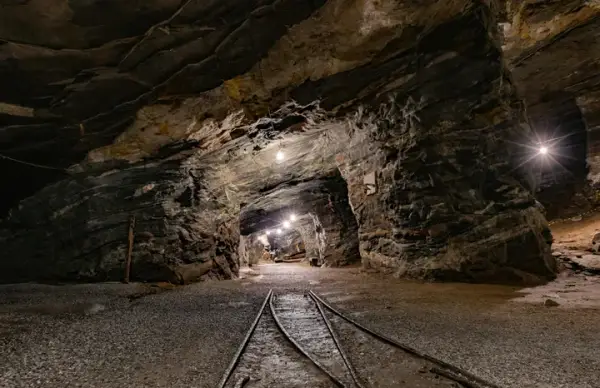
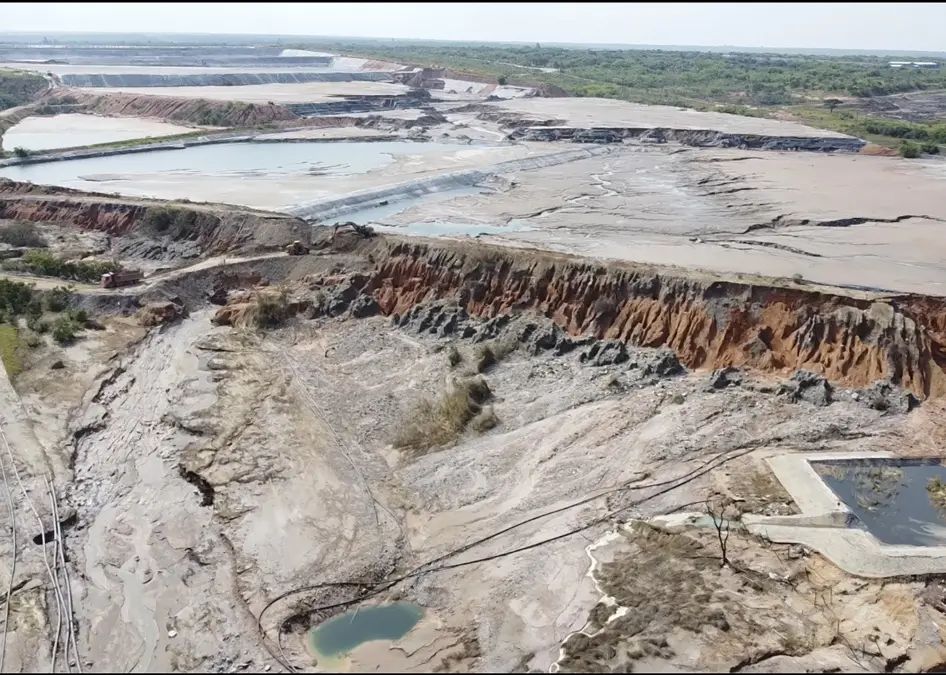
Poorly managed mine closures can leave communities exposed to environmental hazards long after extraction activities cease. Risks include acid mine drainage, heavy metal contamination, groundwater pollution, land degradation, and biodiversity loss.
In several African countries, thousands of abandoned or improperly rehabilitated mining sites continue to pose environmental and public health risks.
“The true measure of a mine’s success is not how it starts, but how it ends,” Omedo noted, emphasizing the importance of planning for closure from the earliest stages of mining projects.
Stronger Regulation and Financial Safeguards Needed
Experts are calling for African governments to strengthen mining regulations, improve oversight capacity, and adopt financial instruments designed to guarantee rehabilitation obligations.
Among the proposed measures are environmental performance bonds, mine rehabilitation funds, and mandatory financial guarantees that would ensure sufficient resources are available for restoration activities even if mining companies cease operations or become insolvent.
Such mechanisms could enable governments to respond quickly to environmental damage and prevent taxpayers from bearing the cost of rehabilitation.
Balancing Economic Growth and Environmental Protection
Africa’s mineral wealth offers significant opportunities to support industrialisation, job creation, export growth, and economic transformation. However, industry observers stress that sustainable development must remain at the centre of the continent’s mining strategy.
The objectives outlined in the African Mining Vision, which promotes transparent, equitable, and environmentally responsible mineral development, are increasingly viewed as critical to ensuring that the current mining boom delivers lasting benefits.
As global demand for critical minerals continues to rise, the challenge for African nations will be to balance resource development with environmental stewardship, community welfare, and long-term economic resilience.
Without effective governance and responsible mine closure practices, experts warn that today’s mineral windfall could become tomorrow’s environmental liability.
Source: Adapted from analysis by Geoffrey Omedo.
Share this content: