Africa’s Critical Minerals Ambitions Face Infrastructure and Investment Reality Check
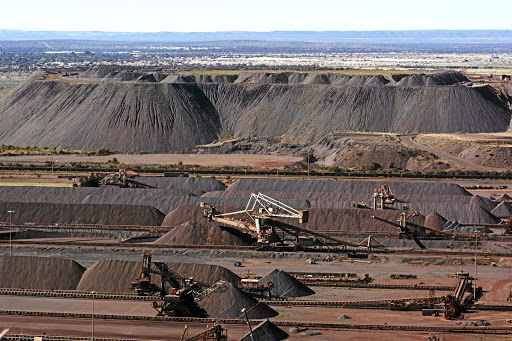
Africa’s vast reserves of critical minerals are positioning the continent at the centre of the global energy transition, but industry analysts caution that resource wealth alone will not guarantee successful industrialisation.
Growing demand for lithium, cobalt, nickel, manganese, rare earth elements and graphite—driven by electric vehicles, renewable energy technologies, artificial intelligence and digital infrastructure—is creating new opportunities for mineral-rich African economies seeking to move beyond raw commodity exports.
However, experts argue that developing competitive downstream processing industries requires far more than access to mineral deposits.

China’s Dominance in Critical Mineral Processing
According to industry data, China currently dominates global refining and processing capacity across a broad range of critical minerals.
The country accounts for the majority of global processing capacity for graphite, rare earth elements, cobalt, lithium and several specialty metals used in semiconductors, renewable energy systems and advanced manufacturing.
China’s position has been built over several decades through sustained investment in refining technology, industrial infrastructure, skilled labour development and integrated manufacturing ecosystems.
Analysts note that China’s success highlights the importance of developing complete industrial value chains rather than relying solely on mineral extraction.
Africa Pursues Greater Value Addition
Across the continent, governments are increasingly prioritising mineral beneficiation and local value addition as part of broader industrialisation strategies.
Countries including Zimbabwe, the Democratic Republic of Congo, Zambia, South Africa, Namibia and Tanzania are exploring policies aimed at increasing domestic processing capacity and reducing dependence on raw mineral exports.
Recent regional initiatives, including discussions among African mining ministers and efforts linked to the African Continental Free Trade Area (AfCFTA), have focused on strengthening regional value chains and encouraging investment in processing industries.
The push reflects growing recognition that the highest economic returns in mining often occur during refining, manufacturing and product development rather than at the extraction stage.
Infrastructure Remains a Major Constraint
Despite strong policy ambitions, significant challenges remain.
Industry experts identify reliable electricity supply, transport infrastructure, logistics networks and access to skilled technical workers as critical requirements for successful downstream processing.
Mineral refining is highly energy-intensive and often requires substantial capital investment.
Depending on the mineral and technology involved, processing facilities can require investments ranging from hundreds of millions to several billion dollars before commercial production begins.
Many African countries continue to face infrastructure deficits that increase operating costs and reduce competitiveness compared with established global processing hubs.
Power shortages, transport bottlenecks and limited industrial ecosystems remain among the most frequently cited barriers.
Lessons from Global Supply Chains
The experience of major mineral-producing countries offers important lessons for African policymakers.
Australia, one of the world’s leading lithium producers, remains a significant exporter of raw and partially processed lithium despite extensive efforts to develop downstream battery manufacturing.
Industry observers note that challenges related to scale, operating costs and global competition have limited the development of a fully integrated battery supply chain.
The example suggests that mineral wealth alone does not automatically translate into competitive manufacturing industries.
Instead, successful industrialisation typically requires long-term investment in infrastructure, research and development, skills training and supportive policy frameworks.
Building Regional Processing Hubs
Many analysts believe regional cooperation may offer the most realistic pathway for African mineral industrialisation.
Rather than each country attempting to develop complete value chains independently, regional processing hubs could leverage complementary resources, infrastructure and markets.
Cross-border collaboration could also help attract larger investment flows while improving economies of scale.
The Southern African Development Community (SADC) and other regional blocs have increasingly emphasised beneficiation, industrialisation and regional value chain development as part of broader economic transformation strategies.
A Gradual Approach to Industrialisation
Experts generally agree that successful mineral beneficiation is likely to be a gradual process rather than an immediate transformation.
Incremental increases in local processing, combined with strategic partnerships, skills development and infrastructure expansion, may offer a more sustainable pathway than imposing rapid localisation requirements that could discourage investment.
As global demand for critical minerals continues to grow, Africa’s challenge will be balancing resource sovereignty, investment attraction and industrial development while ensuring that the continent captures a greater share of the value generated from its mineral wealth.
With the energy transition accelerating worldwide, decisions made over the next decade could determine whether Africa remains primarily a supplier of raw materials or emerges as a significant player in global mineral value chains.
Source: Adapted from analysis by Saxon Zvina
Share this content: