Lithium Market Rebounds, but Analysts Question How Long the Recovery Will Last
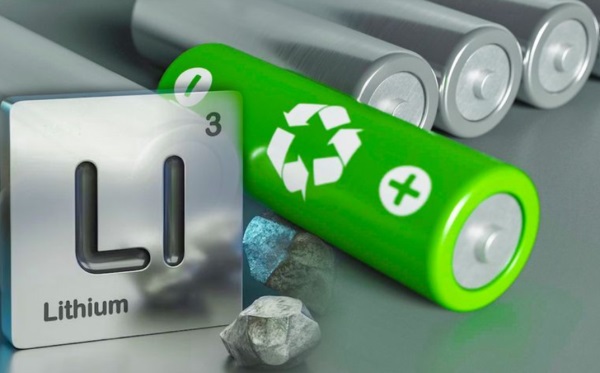
The global lithium market has staged a strong recovery in 2026 after enduring a prolonged downturn that pushed prices to multi-year lows throughout much of 2024 and 2025. However, industry analysts remain divided on whether the latest rally marks the beginning of a sustained boom or merely a temporary rebound.
Prices for lithium hydroxide have risen sharply this year, supported by supply concerns in China and renewed investor interest in battery materials. The recovery has helped lift market sentiment after three years of oversupply and weakening prices that forced several producers to scale back or suspend operations.
A key driver behind the price surge has been the continued closure of the Jianxiawo lithium mine in China’s Jiangxi Province. Operated by battery giant Contemporary Amperex Technology Co. Limited (CATL), the mine suspended operations in August 2025 after its mining licence expired.

The facility is one of the world’s largest lithium assets, with an annual production capacity of around 150,000 tonnes of lithium carbonate equivalent. Its shutdown removed a significant volume of supply from the market, contributing to tighter inventories throughout China’s lithium processing sector.
The closure also sparked intense speculative activity on China’s lithium futures market. Trading volumes on the Guangzhou Futures Exchange surged as investors bet on potential supply shortages, although regulators later intervened by increasing trading fees and imposing position limits to cool excessive speculation.
Supply concerns support prices
The prolonged suspension of the Jianxiawo mine has become a major factor influencing global lithium prices. Industry consultancy Benchmark Mineral Intelligence has described the timing of the mine’s restart as one of the most important variables affecting lithium price forecasts over the next two years.
At the same time, other supply disruptions have added to market uncertainty. Zimbabwe’s decision earlier this year to restrict exports of raw lithium materials before introducing a quota system further heightened concerns about future availability.
Analysts note that declining inventories across China’s battery supply chain have made prices more sensitive to any indication of supply interruptions.
Demand growth remains positive
Despite slower-than-expected electric vehicle sales growth during the first quarter of 2026, demand for lithium continues to expand. The metal remains a critical component in rechargeable batteries used in electric vehicles and energy storage systems.
Growth in stationary battery storage is also helping support consumption, although it has not fully compensated for the moderation in electric vehicle demand seen in some major markets.
Questions remain over sustainability
While lithium prices have recovered significantly, many market observers believe the rally could be temporary.
Several analysts argue that current prices have moved ahead of underlying market fundamentals. Higher prices are expected to encourage producers to restart projects that were mothballed during the downturn, potentially bringing additional supply back to the market later this year and into 2027.
Financial institutions and commodity analysts generally expect the market to remain in surplus over the medium term, although estimates vary regarding the timing and scale of future supply growth.
Even more optimistic forecasts acknowledge that any renewed lithium boom is unlikely to match the dramatic price spikes seen during previous market cycles.
Outlook depends on Chinese supply
For now, attention remains focused on developments in China, particularly the fate of the Jianxiawo mine.
Industry observers widely expect authorities to eventually renew the mine’s licence given its importance to China’s domestic lithium supply. However, uncertainty over when production will resume continues to underpin market sentiment.
As global demand for battery materials grows alongside the energy transition, lithium remains a strategically important commodity. Yet with new supply likely to return as prices improve, the market faces a delicate balance between supporting higher prices and avoiding another period of oversupply.
Share this content: