Botswana Explores UAE and Oman Partnerships in bid to Increase Stake in De Beers
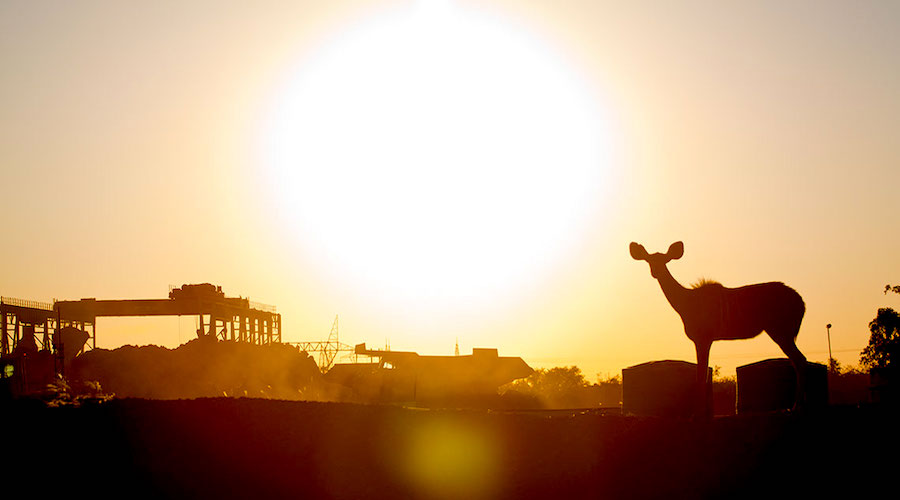
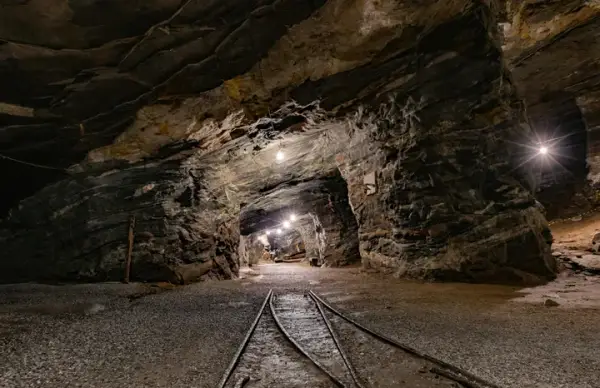
Orapa, meaning “resting place for lions”, has been operating since 1971. (Image courtesy of Debswana.)
Botswana is seeking support from the United Arab Emirates and Oman as it explores opportunities to acquire a larger stake in De Beers, a move that could strengthen the country’s influence over the future of the global diamond industry.
President Duma Boko said Botswana is engaging trusted international partners as Anglo American moves forward with plans to sell its 85% shareholding in De Beers.

The discussions form part of Botswana’s broader strategy to gain greater control over a sector that remains the backbone of its economy. Diamonds account for approximately 80% of the country’s export earnings and contribute around one-quarter of national GDP, while Botswana remains the world’s leading producer of rough diamonds.
Earlier this year, President Boko visited Oman and confirmed discussions with the country’s sovereign wealth fund regarding possible financing arrangements for a larger investment in De Beers. Botswana is also reportedly considering partnerships with investors from the United Arab Emirates, while maintaining discussions with regional diamond-producing nations including Namibia and Angola.
Diamond industry faces mounting pressure
Botswana’s interest in expanding its stake comes at a challenging time for the diamond sector. Global demand has weakened due to slower consumer spending in China, growing competition from laboratory-grown diamonds, and uncertainty in international trade markets.
The downturn has weighed heavily on Botswana’s economy, reducing export revenues and placing pressure on government finances. The weaker performance of the diamond industry has also contributed to concerns among investors about the country’s economic outlook.
The challenges facing natural diamonds have prompted African producers to seek stronger cooperation in defending the value of mined stones, including efforts to improve certification systems, traceability, and consumer awareness of the distinction between natural and synthetic diamonds.
Existing ownership position provides leverage
Botswana already owns a 15% stake in De Beers through its long-standing partnership with the company and reportedly holds pre-emptive rights over Anglo American’s shareholding. These rights could give the government an advantage should it decide to pursue a larger ownership position.
However, industry analysts note that any transaction would likely require extensive negotiations, regulatory approvals, and potential competition from other investors interested in acquiring a stake in the iconic diamond producer.
Anglo American restructuring drives sale
The planned sale of De Beers forms part of Anglo American’s strategic restructuring programme following its defence against a takeover bid from BHP in 2024.
Since then, Anglo American has focused on strengthening its position in copper and iron ore while divesting assets outside its core priorities. Earlier in 2026, the company reduced the book value of De Beers to approximately US$2.3 billion, reflecting the prolonged weakness in global diamond markets.
Given that most of De Beers’ diamond production originates in Botswana through the joint venture Debswana, the outcome of the sale is expected to have significant implications for both Botswana and the wider global diamond industry.
If Botswana succeeds in increasing its ownership stake, it could gain a stronger voice in strategic decisions affecting diamond production, marketing, beneficiation, and the long-term competitiveness of natural diamonds in an increasingly challenging market environment.
Share this content: