CMOC Resolves Strike at Major Congo Copper Mine After Production Disruption
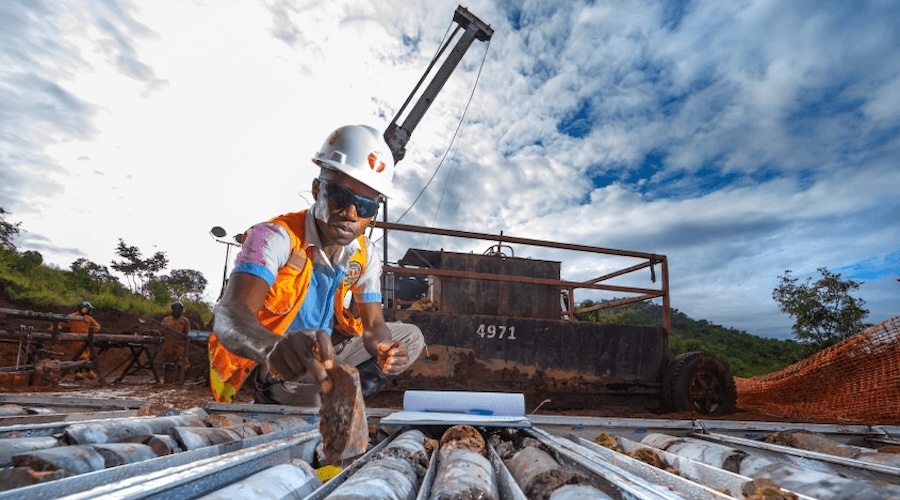
Tenke Fungurume mine is one of the largest producers of copper and cobalt in the DRC. (Image courtesy of CMOC.)
Operations at the Tenke Fungurume Mining (TFM), the Democratic Republic of Congo’s largest copper mine, have returned to normal after workers ended a strike that briefly disrupted production at the site.
The mine is operated by Chinese mining giant CMOC Group and is one of the world’s most important sources of copper and cobalt. Together with CMOC’s nearby Kisanfu operation, the company produced nearly 750,000 tonnes of copper in 2025, reinforcing the Democratic Republic of Congo’s position as a leading global supplier of critical minerals.

The strike began on June 1 after workers objected to a newly negotiated collective bargaining agreement. According to reports, employees argued they had been excluded from negotiations and called for improved wages, housing allowances and enhanced healthcare benefits.
TFM stated that the industrial action had a significant impact on operations and temporarily disrupted production at the mine, which produced approximately 519,000 tonnes of copper in 2025—about 15% of the country’s total copper output.
Company combines incentives and disciplinary measures
In a communication to employees, TFM offered a US$500 loyalty bonus to workers who did not participate in the strike. Employees who reportedly faced intimidation or attacks for continuing to work were promised a US$1,000 payment.
At the same time, management warned that workers who failed to return to their duties by a specified deadline could face dismissal proceedings. The company described the strike as illegal but indicated that workers’ concerns would be reviewed and considered seriously.
Following negotiations, employees resumed work and CMOC reported that the disruption had only a limited effect on overall production.
Importance of Congo’s copper sector
The dispute highlights the growing importance of labour relations within the Democratic Republic of Congo’s rapidly expanding mining industry.
Over the past decade, substantial Chinese investment has helped transform the country into the world’s second-largest copper producer. Rising global demand for copper—driven by electric vehicles, renewable energy projects, power grid expansion and artificial intelligence infrastructure—has increased the strategic importance of Congolese mines.
Copper prices remain near historic highs as markets anticipate strong long-term demand linked to the global energy transition.
Investigation launched
TFM has also announced an internal investigation into allegations that some workers engaged in intimidation of colleagues and damage to company property during the strike.
The company said any evidence of misconduct would be forwarded to Congolese authorities for further action.
While the dispute appears resolved for now, it underscores the challenges mining companies face in balancing labour expectations with operational stability as competition for critical minerals intensifies across global markets.
Share this content: